










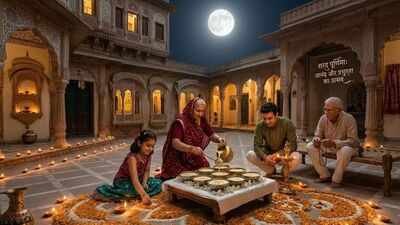
Every year, on Sharad Purnima, many Indian households prepare a bowl of kheer, cover it with a thin cloth and leave it under the full moon. By the next morning, the dessert is offered as prasad and shared with family members. For generations, this ritual has been part of the festival, but have you ever wondered why kheer is associated with this particular night? Madhura, a creator who shares content through Vedic Wisdom and says she has spent 23 years studying Vedic scriptures, recently explained the tradition in an Instagram video. She connected the practice with Ayurveda’s understanding of seasonal changes, the body’s heat balance and the use of foods traditionally considered cooling.Her explanation offers a way to understand the thinking behind an old custom. However, while Ayurveda does discuss seasonal dietary practices, the belief that moonlight gives kheer special medicinal properties has not been established by modern scientific research. Sharad Purnima is being observed on Sunday, October 25, 2026. Also known in some regions as Kojagari Purnima or Raas Purnima, the festival is associated with the full moon of the Hindu month of Ashwin and several religious traditions.
Why Sharad Purnima is linked to the changing season
The timing of Sharad Purnima is an important part of the traditional explanation. It falls during Sharad Ritu, or autumn, which follows the monsoon season in the traditional Indian seasonal calendar. According to Ayurveda, changes in weather can influence the body’s internal balance. Classical Ayurvedic texts describe Pitta, one of the three doshas, as something that can become aggravated during autumn after the rainy season gives way to brighter sunshine.The ‘Charaka Samhita’, an important Ayurvedic text, discusses seasonal diets and lifestyle practices intended to maintain balance as environmental conditions change. Its guidance for autumn includes foods described as sweet, light and cooling. In her video, Madhura uses this traditional framework to explain why milk and rice are central to the Sharad Purnima ritual. Her explanation suggests that the ingredients are associated with cooling qualities in Ayurvedic thinking.It is important to understand that Pitta is a concept within Ayurveda, not a scientifically established measurement of body heat. The traditional explanation can help readers understand the ritual’s cultural background, but it should not be treated as proof that the practice regulates body temperature or treats a medical condition.
What makes milk and rice important in the kheer ritual?
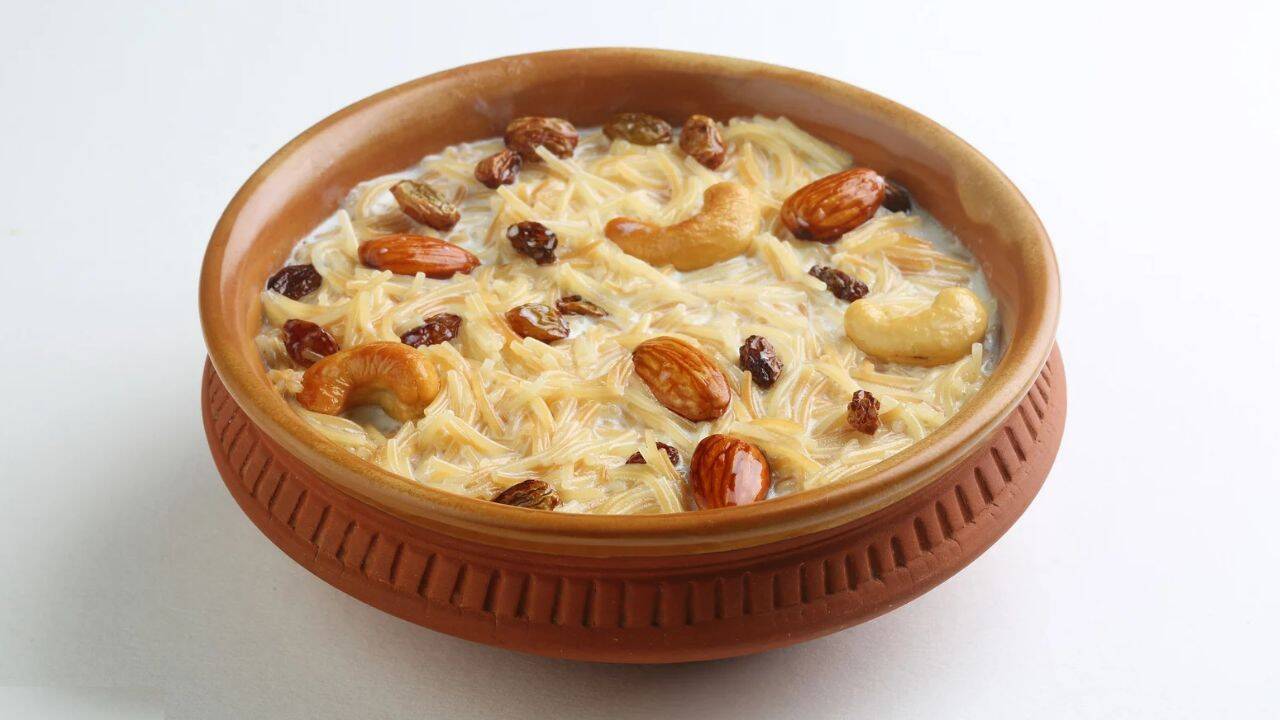
Kheer is a familiar dessert made by cooking rice in milk, usually with sugar and sometimes cardamom, nuts or other ingredients. Its simple ingredients have made it a popular dish for festivals, religious offerings and family celebrations across India. In the context of Sharad Purnima, milk and rice are understood within some Ayurvedic traditions as suitable ingredients for a seasonal food offering. The dish also carries a symbolic meaning because it is prepared specifically for the full moon night.Madhura’s explanation connects these ingredients with the traditional idea of balancing the heat associated with the changing season. The practice of placing kheer beneath the moon is then understood as part of a wider ritual that brings food, nature and religious observance together. But there is a difference between a traditional belief and a proven scientific effect. There is no strong scientific evidence that leaving kheer in moonlight changes its nutritional value or gives it special healing properties. The moonlight ritual remains meaningful as a religious and cultural practice for families who observe it.
Why do families leave kheer under the full moon?
The custom of placing kheer under the open sky is closely associated with the belief that the Sharad Purnima moon has special significance. In popular religious traditions, the moonlight on this night is often described as having nectar-like qualities. Families may place the prepared kheer in a clean vessel after moonrise and cover it with a thin cloth or mesh to protect it from insects and dust. Some keep it outside for several hours, while others follow the custom of leaving it overnight and eating it the next morning.The ritual is not only about the food. For many households, preparing kheer becomes a way to bring family members together, follow a tradition passed down through generations and mark an important night in the Hindu calendar. Sharad Purnima is also associated with the worship of Goddess Lakshmi in several traditions, while parts of the Braj region connect the occasion with Lord Krishna’s Maha Raas. These different customs reflect the festival’s varied religious and regional significance.
One important reminder: keep moonlit kheer safe to eat
While families may wish to follow the tradition, food safety should remain a priority. Kheer contains milk and is a perishable food. Leaving it at room temperature throughout the night can allow harmful bacteria to multiply, even if it looks and smells normal. The US Food and Drug Administration advises that foods requiring refrigeration should generally not remain at room temperature for more than two hours. The limit is one hour when the surrounding temperature is above 32°C.Families who want to observe the moonlight ritual can place a small portion of kheer in a clean, covered container outdoors for a short period, then refrigerate it promptly. The remaining portion should be stored safely rather than left outside overnight. Ultimately, the Sharad Purnima kheer ritual brings together food, seasonal traditions, family memories and faith. Madhura’s explanation highlights how Ayurveda offers a traditional way of understanding the relationship between food and the changing seasons. The custom can be appreciated for its cultural meaning without assuming that moonlight has a proven medicinal effect. And with a little attention to food safety, families can continue celebrating the tradition while keeping the kheer safe to eat.
How to make Kheer for Sharad Purnima
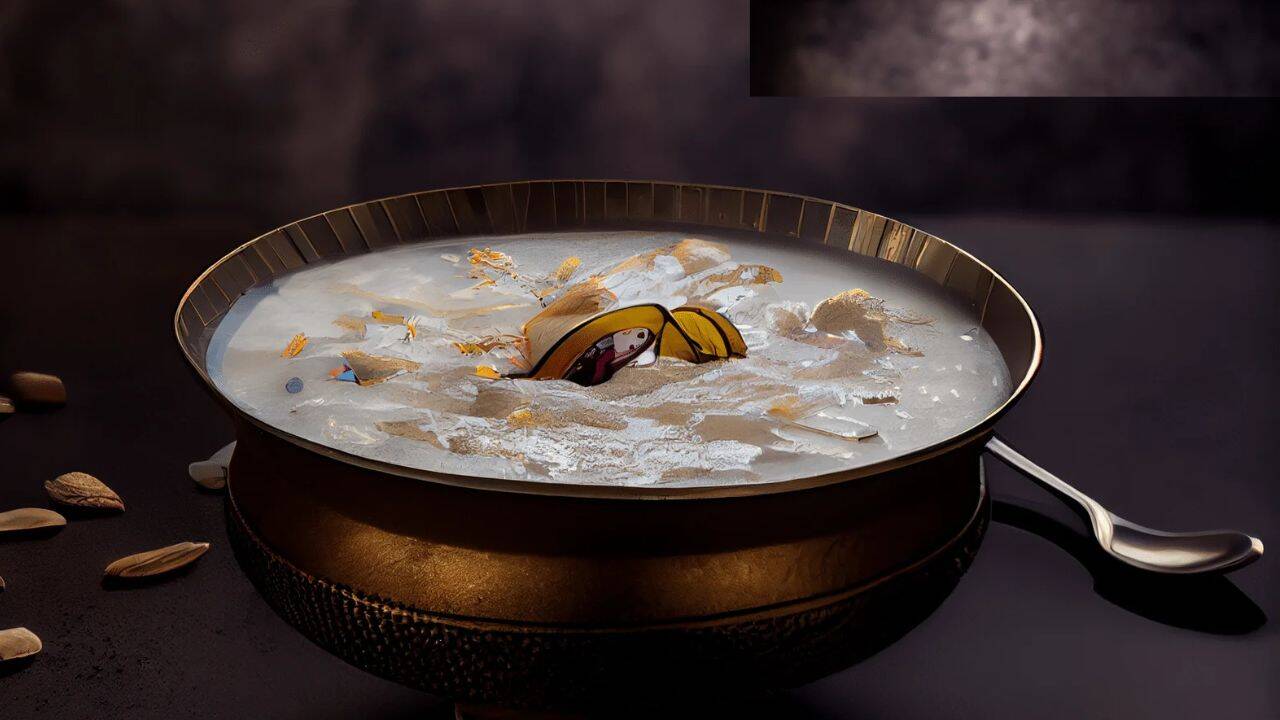
Ingredients required: 2 cups full-fat milk, 1/4 cup broken white rice, 1 cup sugar, 1 tsp cardamom powder, 2 tbsp chopped nuts and a few strands of saffron.Method: Boil the milk in a saucepan on low flame. Next, add washed rice and stir well. Cook on a low flame for 20-30 minutes or until the rice is cooked evenly. Add cardamom powder and sugar, stir well. Lastly, add nuts and saffron strands. Cook for 4-5 minutes, and your homemade Rice Kheer is ready.
The silver coin ritual and its connection to prosperity on Sharad Purnima
Some families also associate Sharad Purnima with the symbolic use of silver coins during worship, linking the metal with purity, auspiciousness and prosperity. The custom reflects the festival’s connection with Goddess Lakshmi, who is worshipped as the goddess of wealth and abundance. According to Hindu tradition, Lakshmi is believed to bless devotees who observe the night with prayer and devotion. However, placing a silver coin directly inside kheer is not a universally documented Sharad Purnima ritual. Silver coins are also used in some Lakshmi puja practices, including as part of the decorated kalash. These customs express faith and hope for prosperity; they are not a scientifically established way to attract wealth.