










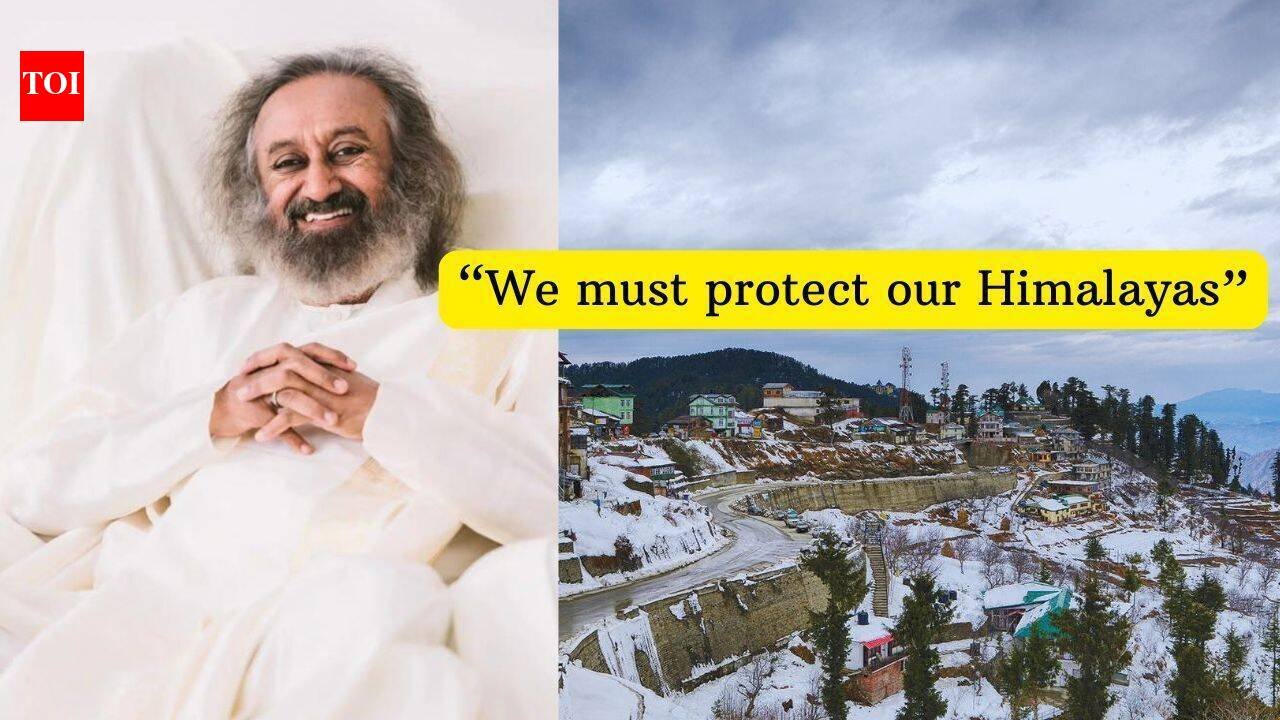
We all saw what happened in Nepal/China recently. On August 26, a sudden flash flood triggered by a high-altitude glacier tore through the Bhotekoshi–Trishuli river corridor. The incident caused widespread destruction and left thousands dead and many still missing. It was one of the Himalayas’ most vulnerable regions. Every year, travellers head towards the Himalayas in search of beauty and peace. The travel focuses on snow-covered peaks, quiet mountain villages, high-altitude treks and pilgrimage journeys through some of the most spectacular landscapes.But let’s not ignore the fact that the same mountains that draw tourists are also ecologically fragile. These are increasingly exposed to floods, landslides, cloudbursts and glacier-related hazards.The warning has gained fresh urgency after the devastating floods in Nepal, which affected communities, roads, bridges and settlements. Nepal’s authorities and international agencies have continued documenting the extensive damage and humanitarian impact.Sri Sri Ravi Shankar on why Himalayas need urgent protection
Himalayas
Against this backdrop, Sri Sri Ravi Shankar has called for greater protection of the Himalayan ecosystem. In an exclusive conversation with Times of India (Travel), he said,“We must protect our Himalayas. We have witnessed such disasters in Jammu, Uttarakhand and several other regions, and the recent floods in Nepal are yet another reminder of the urgent need for action.”“This is why we established the Himalay Unnati Mission, an Art of Living-led coalition that brings together 138 NGOs across four countries. Through this collective effort, we are focusing on critical areas such as afforestation and working towards the long-term protection and preservation of the Himalayan ecosystem.”Why the Himalayas matter to tourism
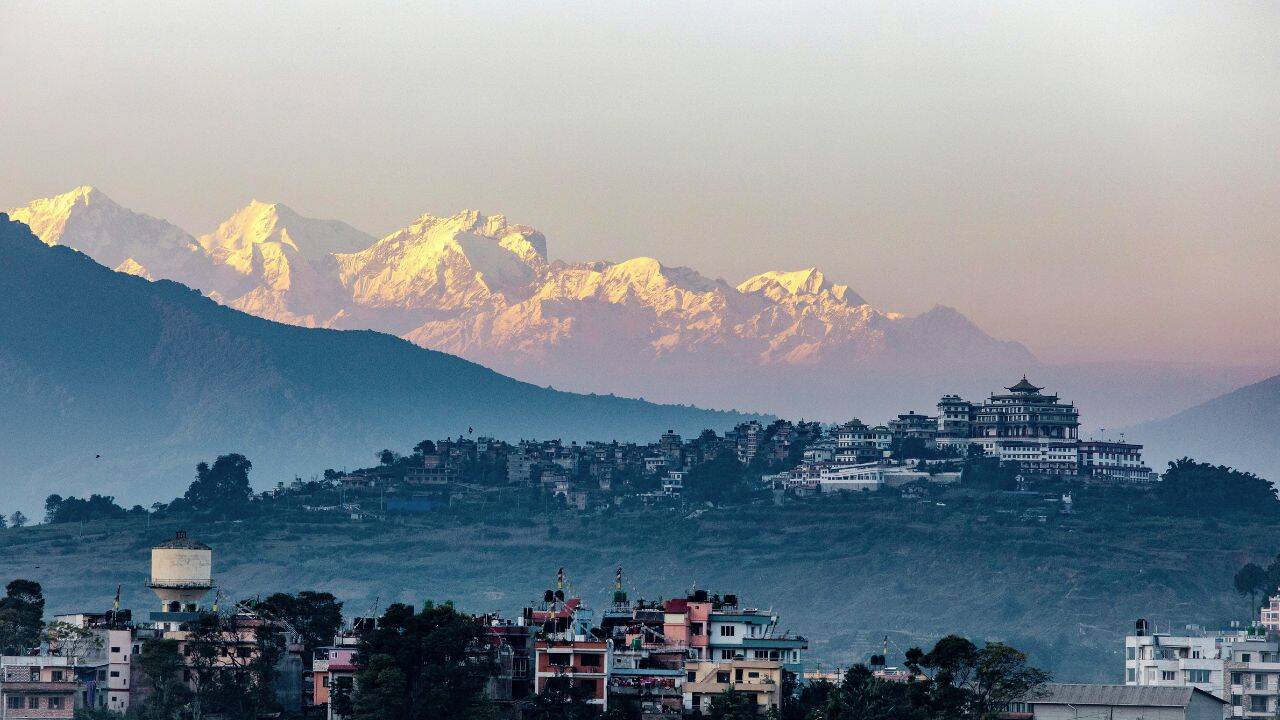
Sunrise in the Himalayas (Canva)
“For the Indian Himalayan Region, sustainable development cannot wait for fragmented efforts to converge. It requires one-window visioning, integrated planning and swift implementation, bringing scientists, planners, policymakers, think tanks, practitioners and local communities together,” said Dr Eklabya Sharma, Padma Shri awardee, mountain ecologist, former Deputy Director General of the International Centre for Integrated Mountain Development (ICIMOD), and Advisor to the Himalay Unnati Mission.For travellers in India, the Himalayas are often experienced as destinations. Shimla for a weekend, Manali for a road trip, Uttarakhand for a pilgrimage, Sikkim for its mountain landscapes or Arunachal Pradesh for its remote valleys.But ecologically, the Himalayas function as a connected mountain system. A river does not stop at a state boundary, nor does a landslide, glacier or changing weather pattern follow administrative borders.India’s National Mission for Sustaining the Himalayan Ecosystem already recognises the need for science-based assessment, vulnerability and risk assessment, capacity building and community participation across the 13 States and Union Territories of the Indian Himalayan Region.This matters directly to tourism. A landslide can close a road to a popular hill station. A flash flood can damage bridges connecting villages to the nearest town or city. An avalanche can disrupt access to high-altitude destinations damaging infrastructure. The impact is felt not only by residents but also by tourists, hotels, homestays, guides, drivers and porters.Mission Green Himalayas
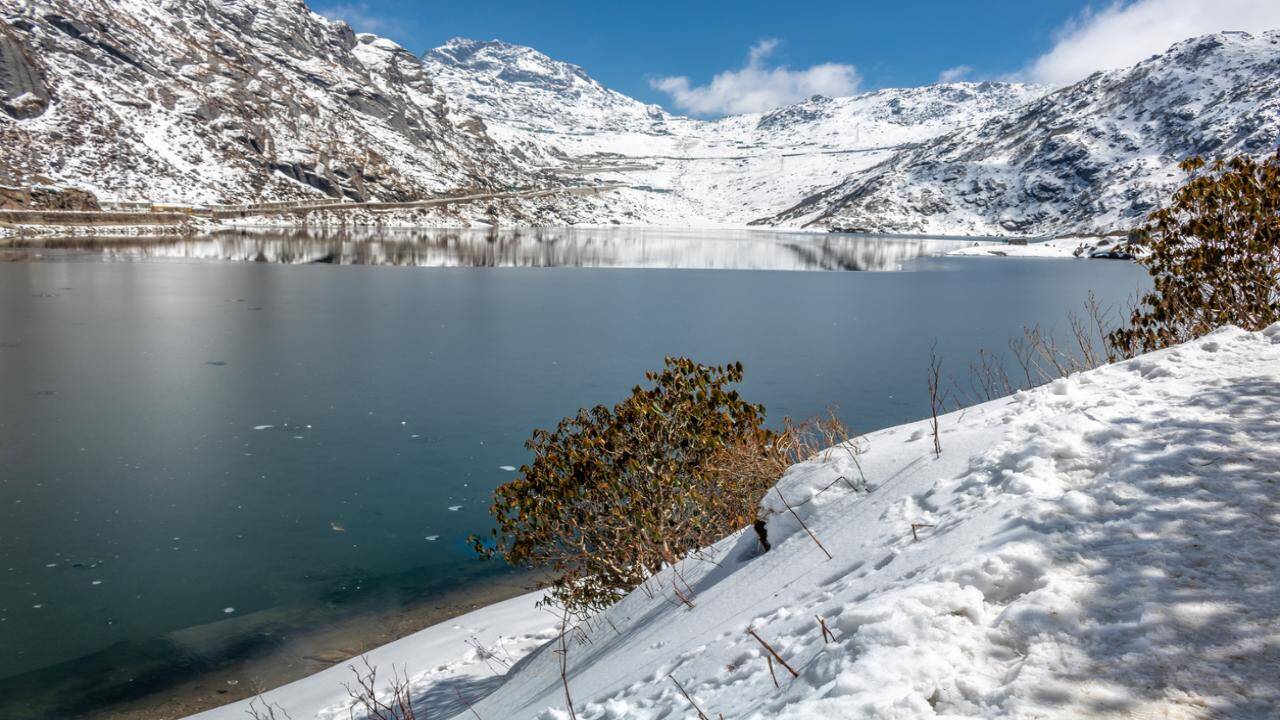
Gangtok, Sikkim
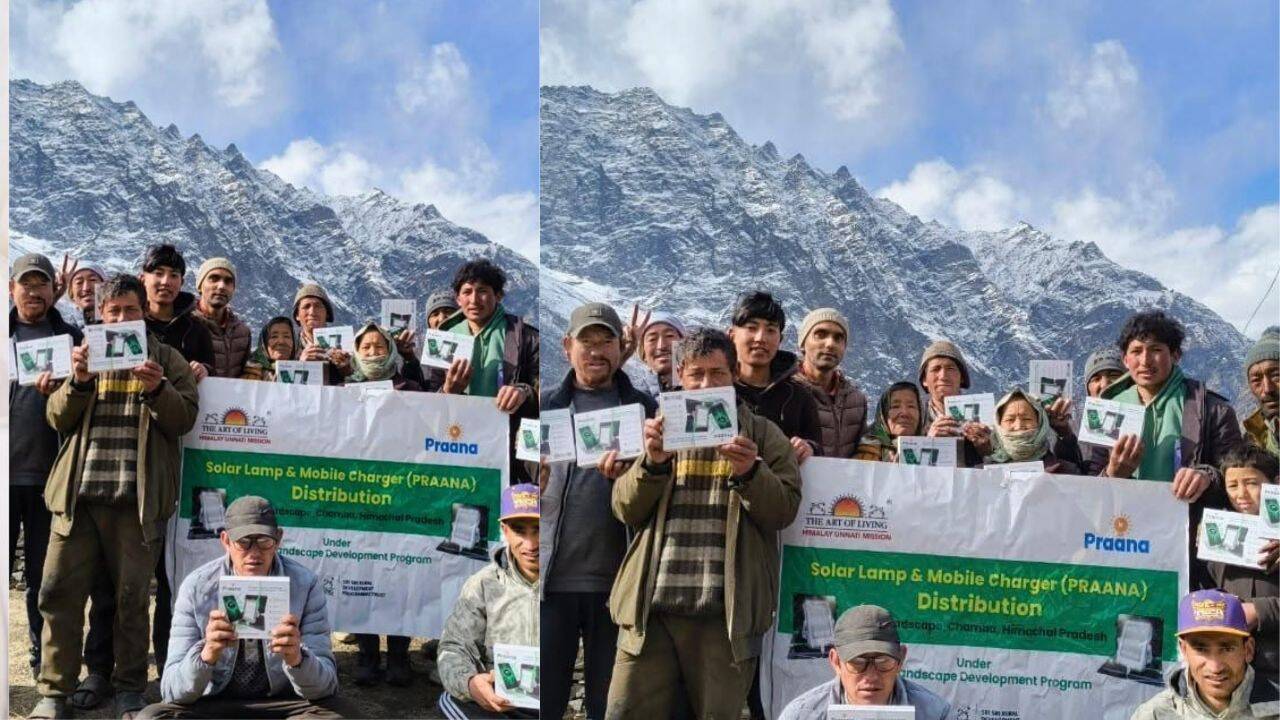
Under Mission Green Himalayas, more than 22 lakh trees have been planted across more than 20 landscapes in Himachal Pradesh, Uttarakhand, North Bengal, Sikkim and Arunachal Pradesh. The Mission has also taken clean energy to 356 border schools through 613 solar microgrids and solar-powered digital classrooms, reaching more than 1.95 lakh people. When floods and landslides struck, more than 1,000 volunteers supported 7,248 affected families and over 45,000 people through the Samvedana disaster-relief initiative.What the new Himalayan initiative is looking atThe Himalay Unnati Mission says its proposed scientific study will bring together scientists, ecologists, disaster-management experts, research institutions and grassroots organisations to study hazards across India, Nepal and Bhutan.The stated aim is to combine scientific and field data with community inputs and eventually support better hazard maps, monitoring systems, early-warning mechanisms and preparedness plans.
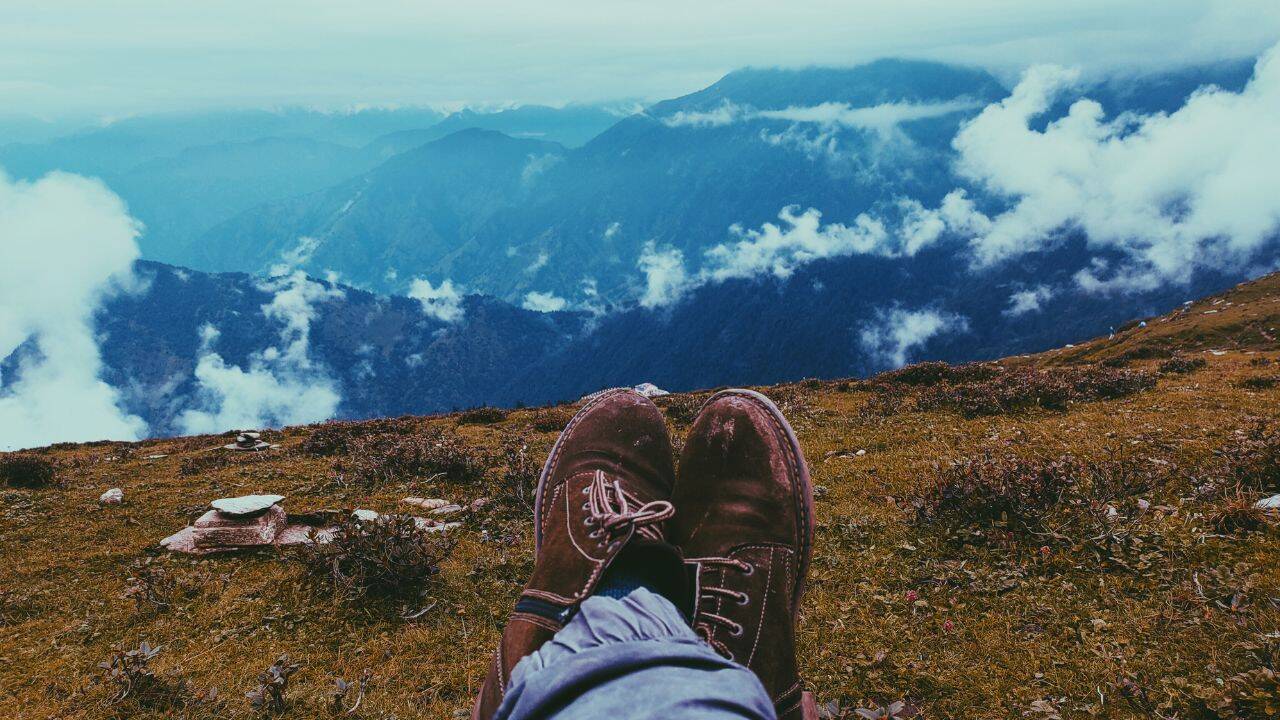
Uttarakhand village
The initiative is also calling for a dedicated Himalayan Authority at the Centre to improve coordination between ministries, states, scientific institutions and communities. The proposal argues that the region needs a more integrated approach because ecological and disaster risks do not follow political boundaries.For travellers, one of the most practical aspects of such an approach is early warning.The Himalayas may continue to be among India’s biggest draws for adventure, spirituality, nature and escape. But the future of mountain tourism will depend on keeping the mountains themselves resilient.As Ravi Shankar put it, “We must protect our Himalayas.”