










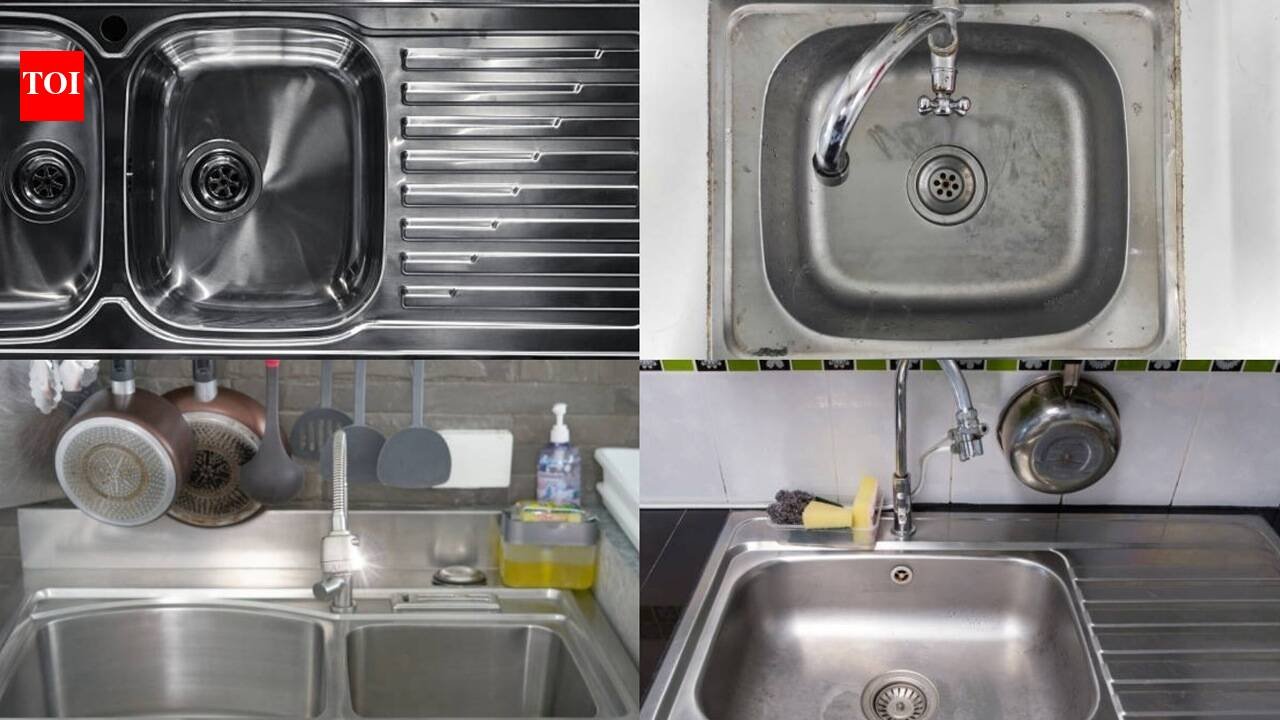
There’s a particular kind of disappointment in looking at a stainless-steel sink that once gleamed like a showroom display, now looking permanently hazy, spotted, and dull no matter how much you scrub it. The good news is that dullness almost never means the sink is actually damaged; it’s usually just mineral deposits, soap scum, grease, and tiny surface scratches scattering light instead of reflecting it cleanly. Understanding what’s actually causing the problem, and fixing it with what’s already sitting in your kitchen cabinet, makes restoring that shine far easier than most people expect. Here’s the DIY fix, plus five habits to keep it looking that way.
The DIY fix: baking soda and vinegar
For a sink that’s genuinely lost its shine, this pantry combination works remarkably well. Sprinkle baking soda generously across the entire sink, then spray or drizzle white vinegar over it, letting the fizzing reaction sit for two to three minutes to loosen mineral deposits and grime. Scrub gently in the direction of the metal’s grain using a soft microfiber cloth or non-scratch sponge, never against it, then rinse thoroughly and dry immediately with a lint-free towel. For a final touch, buff a small amount of olive oil across the surface with a clean cloth; this restores lustre and leaves behind a light protective layer that helps repel future water spots.
Dry your sink after every single use
This one habit alone prevents more dullness than almost anything else on this list. Water left sitting on stainless steel evaporates and leaves behind mineral deposits, especially in areas with hard water, which is exactly what creates that spotted, hazy look over time. A quick wipe with a soft towel after washing dishes or rinsing your hands takes seconds, but it stops water spots from ever getting the chance to form in the first place.
Always clean with the grain, and skip the abrasive tools
Stainless steel has a visible grain, fine lines running in one direction, and cleaning against it rather than along it creates tiny scratches that scatter light and dull the surface over time. Steel wool, wire brushes, and harsh scouring pads are especially damaging, since they can scratch through the sink’s thin protective chromium oxide layer, the very thing responsible for both its shine and its resistance to rust. A soft sponge or microfiber cloth, used gently and always following the grain, is genuinely all a stainless-steel sink needs for regular cleaning.
Never leave steel wool, wet sponges, or cast iron pans sitting in the sink
This is a surprisingly common cause of small rust spots that people often mistake for permanent damage. Tiny iron particles from steel wool pads or cast iron cookware can transfer onto the sink’s surface and rust there, even though the sink itself isn’t actually corroding. Leaving a wet sponge sitting in one spot for extended periods has a similar effect, trapping moisture against the surface longer than necessary. Rinsing and removing these items promptly after use avoids the problem entirely.
Rinse immediately after acidic or salty exposure, and skip the bleach
Salty pasta water, tomato-based sauces, and other acidic or salty liquids can leave marks if left sitting in the sink for too long, so a quick rinse right after use goes a long way. Bleach, meanwhile, is genuinely worth avoiding altogether on stainless steel, since it can cause discolouration and damage to the sink’s protective finish rather than actually cleaning it any better than gentler alternatives.
Finish with an occasional oil polish
Once your sink is properly clean and dry, a light polish with a few drops of olive oil or mineral oil on a soft cloth, buffed along the grain, adds a genuine finishing shine while creating a thin protective barrier against future water spots and stains. Doing this every week or two, rather than after every single wash, is generally enough to keep a stainless-steel sink looking consistently bright between deeper cleans.A dull stainless-steel sink is almost always a fixable problem rather than a permanent one. A bit of baking soda, the right cleaning direction, and a habit of drying it properly is usually all it takes to bring that original shine right back.
Disclaimer:
This article is intended for general informational purposes only. Always test any cleaning method on a small, inconspicuous area first, and avoid using bleach, steel wool, or other abrasive materials on stainless steel surfaces, as these can cause permanent damage. Results may vary depending on your specific sink’s finish and water hardness.