










Tea is one of the most consumed beverages in Indian homes. Many people begin their day with a steaming cup of tea. However, the tea leaves or tea dust may often be adulterated with cheap colouring agents, spent leaves, and other undesirable substances.Although the most reliable method to check for tea adulteration is to get your sample tested from a reputed laboratory, here are a few simple ways to check if your tea is pure or not at home. These methods may not be able to reveal all impurities, but may help you detect a few common types of adulteration
Check for artificial colours with a filter paper
One of the simplest methods mentioned in food-adulteration guides is to check for artificial colours in tea leaves with a white filter paperTake a small amount of sample (tea leaves or tea dust) on a white filter paper and add a few drops of water. Let the liquid spread on the paper and let the tea leaves dry. Wash the paper under running water and examine it closely on a white background.Good quality tea should not leave any strong unnatural colours on the filter paper. If it does, it may contain artificial colours. According to FSSAI’s guidelines on detecting food adulteration, pink or red colour on the filter paper may indicate presence of coloured used tea leaves.
Examine the tea leaves
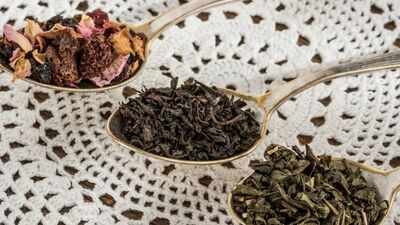
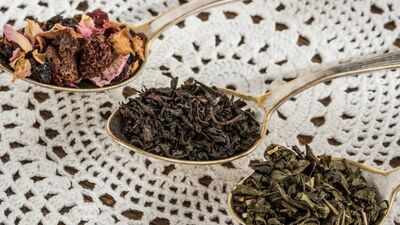
Another simple way to check if tea is adulterated is to examine the tea leaves for unnatural coloursleaves of good quality tea, when dry, should have a natural colour and feel. If they look unnatural, too bright or too dark, or have foreign matter sticking to them, it may be a bad sign. However, bear in mind that different varieties of tea can have different leaf colours, so it’s not always a sure indication of adulteration. The leaf texture and colour may also vary depending on the processing method.
Check for iron filings with a magnet
A simple way to check for presence of iron filings in tea leaves is to spread some leaves on a plain paper and pass a magnet over them.If there are any filings present in the tea, they will stick to the magnet. This is a good way to check for some common adulterants, but not all. It can’t detect pesticides, bacteria, or other impurities that require laboratory testing.Also read:8-year-old girl dies after ‘brain-eating amoeba’ infection in Louisiana: What happened and how dangerous is Naegleria fowleri?Kate Walsh’s simple wellness rules for ageing well: No extreme diets, just sleep, walks and less worry
Check the brewed tea
One way to check if the tea is adulterated is to observe the brewed liquid for unnatural colours, odours and other characteristics.If you feel that there is an unnatural brightness or unnatural rush of strong colour in the brewed tea (especially red), it may be an indication of artificial adulteration. However, the colour and strength of brewed tea vary with the type, amount, and quantity of tea leaves, so it can’t be used as a reliable method.
Home methods may only indicate certain adulterants
Remember that none of the above-mentioned methods can indicate the presence of all possible adulterants. They are merely a few simple methods that may reveal a few common types of adulteration in tea leaves or tea dust. They can’t tell you if your tea has pesticides, heavy metals or other harmful impurities.If you feel that your sample has been adulterated, keep the original packet/packaging aside, and get in touch with the local food-safety authorities. You may also consider getting your tea tested from a certified food-testing laboratory.When shopping for tea, always go for trusted brands and examine the expiry date, packing and other information mentioned on the packaging. If there is any irregularity, avoid buying the product.