







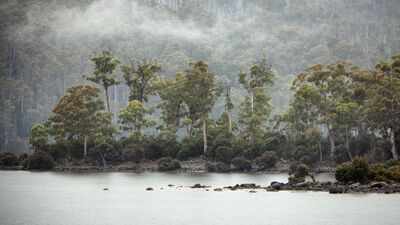
The wilderness holds secrets of nature that remain unexplored. In the modern world, it also offers an offline world away from notifications, traffic, and the city bustle. It is an occasional opportunity to wake up to the sound of the birds and the wind through the trees, making a trip to the wilderness all the more exciting. However, we humans are also trained to live in civilised settings. This can make unpredictable situations like bad weather or wildlife encounters difficult for adventurers to handle.Two women from South Australia recently discovered this while exploring Tasmania’s spectacular Western Arthur Range, where difficult conditions forced them to call for help. It became a story of a carefully executed rescue operation possible because of an emergency satellite device, a helicopter and a search-and-rescue team that had to hike through the rugged landscape because the aircraft could not reach them directly.
When a wilderness adventure takes an unexpected turn
The two bushwalkers, aged 58 and 26, were exploring Tasmania’s beautiful remote south-western wilderness when conditions became difficult enough for them to seek assistance. The women were appropriately equipped for their overnight camping trip, along with the required communication equipment. However, they faced unpredictable weather conditions, which led them to ask for immediate help.
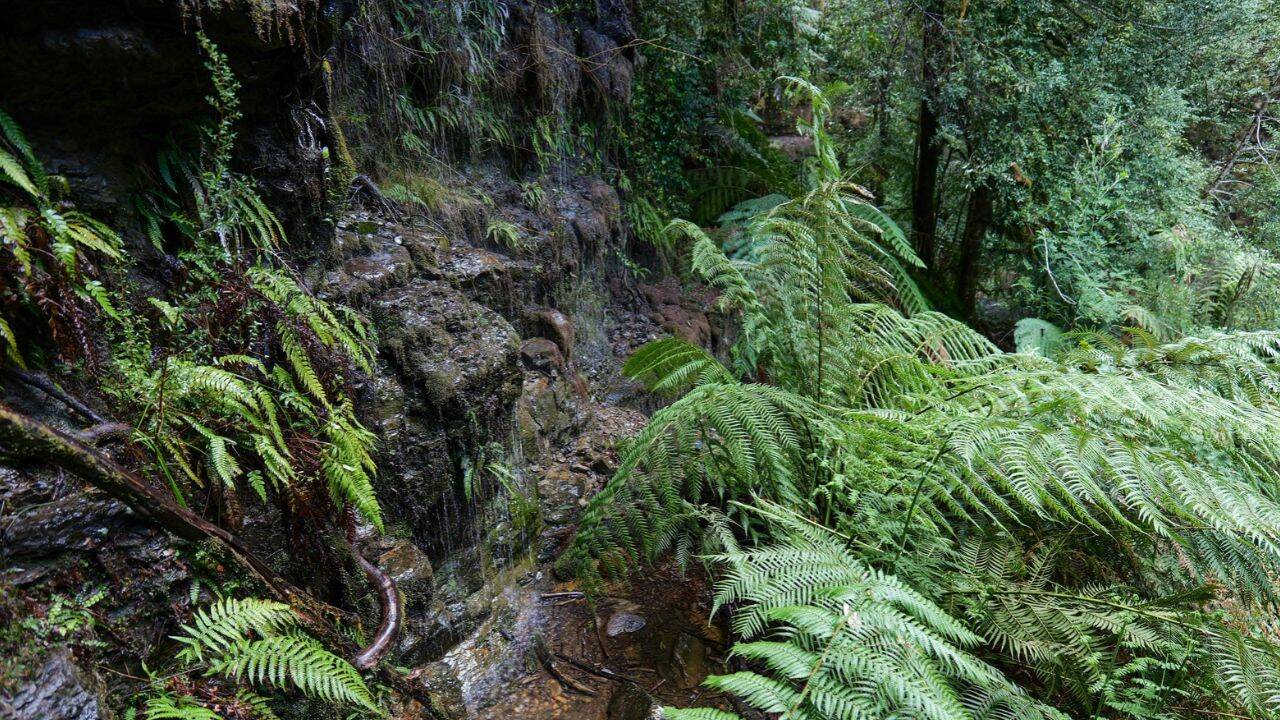
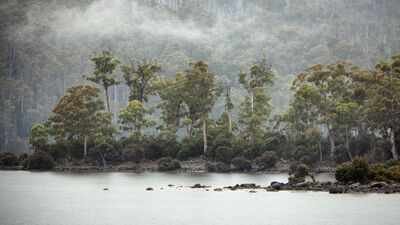
Forests of Tasmania (Image Credit: Canva)
At around 8 pm on Saturday, November 14, 2026, the duo activated their personal locator beacon (PLB) from a walking track near Haven Lake, reporting that they needed help due to the conditions. Their distress signal alerted emergency services, setting a rescue operation into motion.
A helicopter rescue that turned into a walking mission
Weather conditions prevented Tasmania Police from operating the rescue helicopter to reach the women directly. Instead, at approximately 5 am on Sunday, November 15, the helicopter dropped a search-and-rescue crew at Arthurs Plains. From there, the rescuers had to continue on foot through the challenging terrain to reach the stranded bushwalkers.The team eventually located the women at around 8 am, roughly three hours after being dropped off. The duo underwent a medical check-up as a precaution and, fortunately, neither required medical treatment. They were subsequently transported towards Hobart.The Tasmania Police rescue announcement confirmed that the women’s personal locator beacon helped ensure a quick emergency response.
The little emergency device that can make a big difference
The personal locator beacon (PLB) was the device that proved extremely helpful for the two women stranded in the remote wilderness of Tasmania. Unlike an ordinary mobile phone, a satellite emergency beacon is designed to send a distress signal from remote locations where conventional mobile networks may not be available. When activated, a compatible 406 MHz distress beacon transmits an emergency signal that the international COSPAS-SARSAT satellite system can detect. The alert is then relayed to the relevant rescue coordination authorities, who can organise assistance.The Australian Maritime Safety Authority (AMSA) explains how emergency beacons work and why registering them is important. It highlights that rescue operations can look different, as rescue times depend on factors such as weather, terrain, distance and accessibility. In this particular incident, the beacon helped emergency services respond quickly, even though the helicopter was unable to reach the women directly.
A reminder for everyone heading into the wild
Tasmania Police used the incident to remind bushwalkers about the importance of carrying adequate food, water, warm clothing, emergency shelter and reliable communication equipment. Hikers are also advised to share their intended route and expected return time with someone before setting out.Another useful precaution is to pack clothing and essential equipment separately in waterproof bags so that everything remains dry if the weather changes.And perhaps the most important advice is not to wait until a situation becomes dangerous before asking for help. If conditions deteriorate, contacting emergency services early is often the wisest decision.Though in this situation, the two women were fortunate to return without injuries. Their experience offers a lesson for future adventurers to carry proper communication equipment that can be utilised to access help in emergency situations. While adventure is all about exploring the unknown, one should never go unprepared, considering their own safety.