










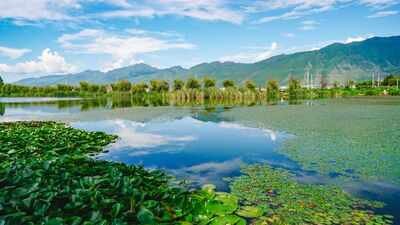
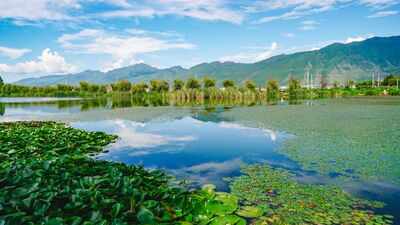
A new nationwide study suggests that most coastal wetlands in the contiguous United States are struggling to keep up with rising sea levels. Researchers tracking nearly 450 wetlands for up to 20 years found that 84% are gradually being inundated, putting many on a path to become open water if current trends continue. The study is published in Earth’s Future. The finding is a big deal because coastal wetlands are not just patches of marshland. They help buffer storm surge, protect roads and buildings, and provide habitat for birds, fish and other wildlife. In other words, when wetlands disappear, the loss is ecological, economic and social all at once.“Our study provides wetland managers with new information to help them make better-informed decisions and identify meaningful solutions to issues they may be encountering, including facilitating wetland migration upslope,” Glenn Guntenspergen, U.S. Geological Survey’s coastal wetland ecologist and senior author on the study, said, according to Phys.org.How the study workedTo get a national picture, researchers used elevation data from nearly 450 monitoring stations along the Atlantic, Gulf and Pacific coasts. They compared those measurements with tide-gauge data to see which wetlands were building elevation fast enough to stay above rising water and which ones were falling behind.That kind of long-term fieldwork is hard to do at scale. Wetland researchers have to work in muddy, remote terrain with specialised equipment, and some sites are only accessible by boat or even helicopter. The result is that national-level data on wetland change have been limited until now.What the researchers foundThe headline result is sobering: 89% of wetlands are gaining some elevation through sediment buildup, but only 16% are doing so fast enough to outpace sea-level rise. The rest are slowly sinking into a future where tides overtake them more often and, eventually, permanently.That does not mean every wetland is doomed, though. The study found important regional differences, with the Atlantic Coast generally holding up better than the Gulf Coast. Some wetlands may still have a chance to survive if they can build sediment quickly enough or migrate inland into available space.Why the Gulf Coast is hit hardestThe Gulf Coast appears to be the most vulnerable region in the study. Researchers pointed to a mix of sea-level rise and human pressures, including altered river flow, reduced sediment supply and land subsidence linked to oil and gas extraction. Those factors make it harder for wetlands to stay elevated and healthy.By contrast, some Atlantic Coast wetlands are faring better because they receive more marine sediment from ocean waves, which helps them keep pace with the water. But even there, the study suggests that resilience is not guaranteed.Inland migration could save some wetlandsOne of the most important takeaways from the research is that wetlands are not all trapped in place. The study found that 73% of the wetlands still have some opportunity to move inland, as long as the land behind them is low enough and not blocked by roads, levees, buildings or other development.That matters because wetland survival is often about space as much as water. If land managers protect inland “migration corridors,” restore natural sediment flow or remove barriers such as dikes, some wetlands may be able to relocate instead of drowning where they stand.Why this matters for people tooWetlands deliver enormous benefits to human communities. They absorb storm energy, reducing damage from surges and flooding, and they support hunting, birdwatching and tourism. The study’s authors note that these ecosystems provide trillions of dollars in services each year across the United States.That makes wetland loss more than an environmental issue. It becomes a planning issue, a public safety issue and a climate adaptation issue. The more wetlands disappear, the more vulnerable coastal communities may become to storms and flooding.A warning, but not a dead endThe researchers say the study should help managers make more informed decisions, especially about where to focus conservation efforts. In practical terms, that may mean protecting inland spaces, restoring sediment flows, or even using managed retreat in some areas to give wetlands room to move.The message is serious, but not hopeless. As one of the study’s authors put it, the paper shows not only where wetlands are in trouble, but also where conservation efforts could have the biggest effect.