












Air transport is one of the safest means of travel, yet a medical emergency may happen miles above the ground. In very rare instances, a passenger may pass away mid-air, leaving the cabin crew as well as other passengers struggling with an emotionally charged situation. Although no airline wants to experience such an occurrence, protocols have been developed for the purpose of respecting the dignity of the departed person, protecting other passengers and fulfilling the legal obligations. The following is what happens when a passenger dies mid-flight.
Medical emergency comes first
If a passenger becomes seriously ill or is found unresponsive, cabin crew immediately treat the situation as a medical emergency rather than assuming the person has died. Flight attendants are trained in first aid and cardiopulmonary resuscitation (CPR) and are equipped to use onboard emergency medical kits and automated external defibrillators (AEDs) on many commercial aircraft.The crew would usually check whether a doctor or qualified medical personnel is aboard to help them. In most cases, airlines also have an option of getting in touch with the medical support team on the ground using satellite or radio communication. The doctors would then give the crew instructions on how to handle the emergency situation.Resuscitation efforts generally continue unless a qualified medical professional determines they are no longer appropriate or the situation makes continued efforts impossible.
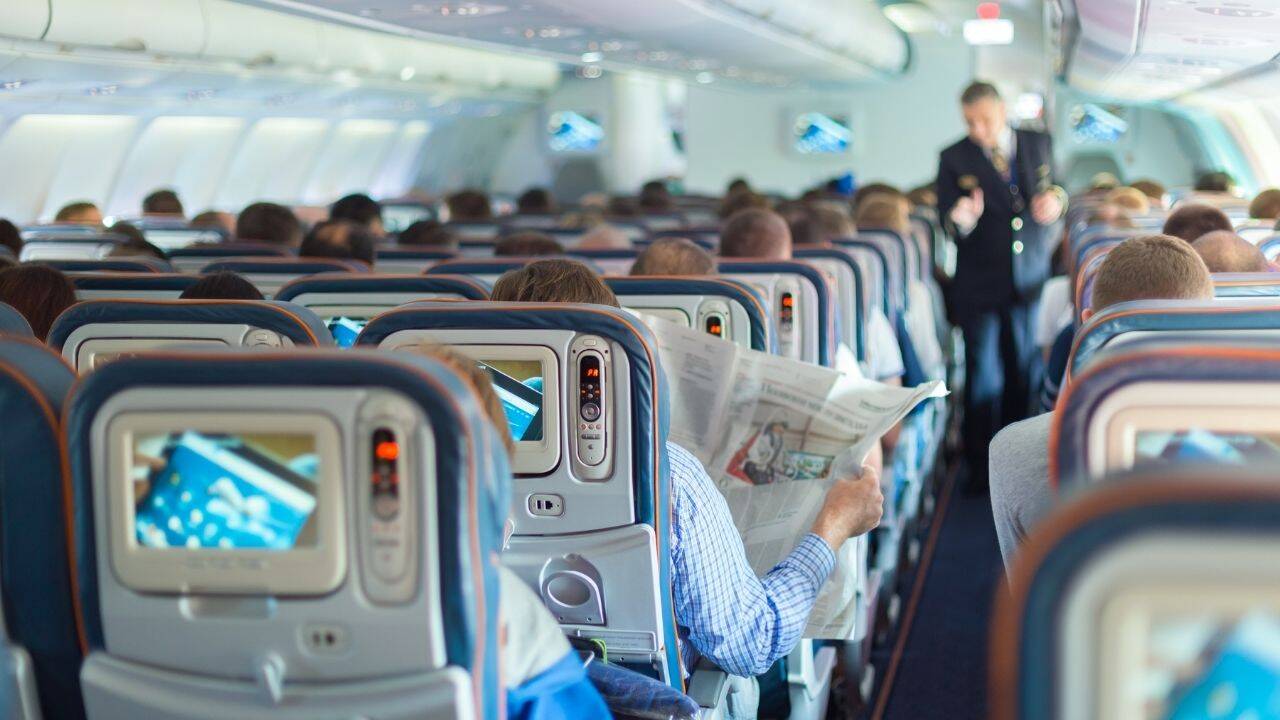
Image Credit: Canva
Can a death be officially declared on board?
Whether the passenger can actually be pronounced dead depends largely on the regulations of the respective country and whether a licensed physician is present.In most cases, the cabin crew cannot actually declare the person dead by law. Even if there are no signs of life, the passenger is generally treated as a medical emergency until landing or until a licensed physician advises that further resuscitation is no longer appropriate, depending on airline policy and local regulations.If a licensed doctor on board determines that further medical intervention is futile, the crew may shift from active treatment to caring for the body and supporting family members, while still following airline protocols.
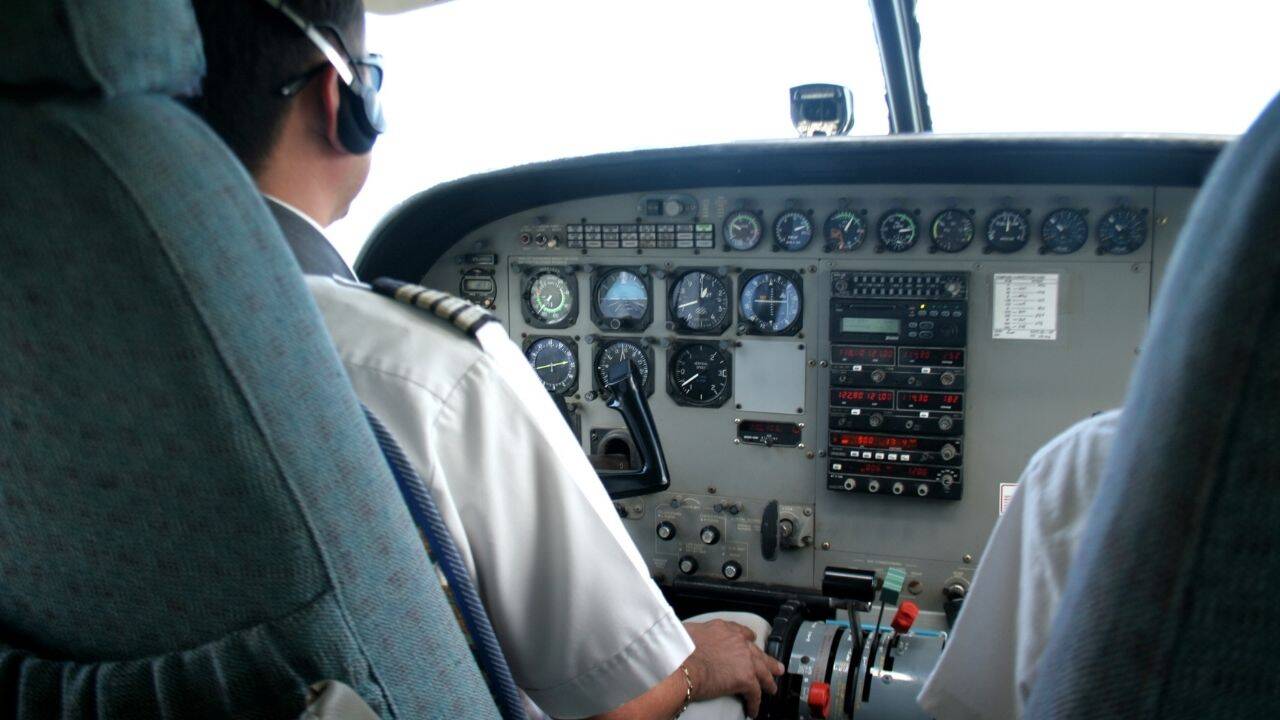
Image Credit: Canva
Will the plane make an emergency landing ?
A death on board does not automatically mean the aircraft will divert to the nearest airport.The captain makes the final decision after consulting with medical experts, airline operations staff and air traffic control. Several factors are considered, including:
- Whether the passenger still has a chance of survival.
- The advice of onboard or ground-based medical professionals.
- How far the aircraft is from its destination or an alternate airport.
- Weather conditions and airport availability.
- The potential impact on the safety of everyone on board.
If there is any possibility that the passenger can be saved, the aircraft may divert to allow immediate medical treatment. However, if death appears certain and there are no other safety concerns, the flight often continues to its scheduled destination.
How is the body handled during the flight?
Airlines have procedures designed to treat the deceased with dignity while minimising distress for other passengers.According to IATA Death on Board guidelines, if possible, the body may be moved to a seat away from other passengers, often in a less crowded section of the aircraft. The person is typically secured with a seat belt, and a blanket may be placed over them while leaving the face uncovered if required by airline procedures or local regulations.If there are empty seats nearby, family members or travelling companions are usually allowed to remain close to the deceased. Cabin crew also try to provide emotional support and maintain privacy as much as possible.On very full flights where no other suitable seat is available, the body may remain in its original seat until the aircraft lands.
What happens after the plane lands?

Image Credit: Canva
Once the plane arrives at the gate, the first individuals to board the aircraft include the emergency medical personnel who evaluate the situation, and in cases where there is uncertainty about the death, they confirm it. Local authorities, airport staff, police or the coroner may also become involved. The body is then respectfully removed from the aircraft according to local laws and procedures.The airline cooperates with the authorities in identifying the deceased and notifying the next of kin, where necessary, or in assisting any accompanying family members. The personal effects are carefully documented, secured and handled according to airline procedures and local legal requirements before being returned to the appropriate authorities or the deceased’s next of kin.In cases where the death looks suspicious, or the cause is unknown, the authorities could require that a post-mortem be conducted prior to the release of the body.
International flights can involve additional procedures
When a death occurs on an international flight, extra legal and administrative requirements may apply.The destination country’s authorities may work together with the passenger’s native country, embassy, or consulate. All documents, death certificates, and movement of the body internationally must be consistent with immigration, customs, and public health laws.These procedures can vary depending on the countries involved and the circumstances surrounding the death.
Are there international guidelines?
Many airlines base their procedures on guidance from organisations such as the International Air Transport Association (IATA), the International Civil Aviation Organization (ICAO) and recommendations from aviation medical experts. Individual airlines also maintain detailed internal manuals covering in-flight medical emergencies, handling of deceased passengers, communication with authorities and support for affected travellers.Although different airlines and different regions have varied approaches, the basic tenets are always the same: to provide all possible medical assistance, to honor the dead, and to follow the regulations and keep the safety of all passengers aboard as the top priority.
A rare but carefully managed situation
Flight deaths are rare, even with the thousands of people that board commercial flights each year. However, the airline companies have trained their crews on how to handle such cases professionally.From providing first aid and consulting medical experts to deciding whether to divert the aircraft and coordinating with authorities after landing, every step follows established procedures. Though such cases are always emotionally taxing on all parties involved, the whole protocol ensures professionalism, legal accountability, and dignity of the deceased.