












For many Italian families, dinner is rarely just about eating. It is where stories are shared, disagreements are settled, jokes are told, and children quietly learn how to listen, wait, and belong. In Italy, this tradition has a name that captures its essence: conviviality, the joy of sharing a meal together. Interestingly, child psychologists say many of these everyday habits support children’s emotional and social development. While no family needs to recreate an Italian dinner perfectly, borrowing a few of these practices could make mealtimes more meaningful.
They treat the table as a place for conversation, not just food
In many Italian homes, dinner is one of the few moments when everyone slows down. The television stays off, phones are put away, and conversation naturally takes centre stage. Researchon Mediterranean families found that parents viewed shared meals as an important space for communication, socialisation and emotional connection. Meals that involved pleasant conversations and minimal digital distractions were also associated with healthier family relationships and stronger adherence to Mediterranean eating habits. For children, these daily conversations become a safe space to express emotions, ask questions and learn the rhythm of healthy communication.
13 Jul 2026 | 12:58
Which parenting tip from elders actually worked for you?
Children are included in adult conversations
Italian family dinners often don’t revolve entirely around entertaining children. Instead, children sit with adults, listen to conversations and gradually join in. Psychologists believe this has hidden benefits. Listening to older family members discuss everyday life exposes children to richer vocabulary, different perspectives and the subtle rules of respectful conversation. They learn when to speak, how to disagree politely and how to follow longer discussions, skills that support language and emotional development.
Meals are rarely rushed
A traditional Italian dinner isn’t something to finish in ten minutes. Families often linger at the table long after everyone has eaten. Those extra minutes matter. Rather than focusing only on nutrition, psychologists say unhurried meals create opportunities for emotional check-ins that may never happen during a busy day. Children often open up when there is no pressure and no clock ticking.
Everyone shares the same meal
Instead of preparing separate “kids’ food,” many Italian families encourage children to eat what everyone else is having, with age-appropriate adjustments if needed. This gentle exposure helps children become familiar with a wider variety of flavours without turning dinner into a negotiation. Experts generally recommend repeated, pressure-free exposure to new foods because acceptance often develops over time rather than after a single bite.
Good manners are taught naturally
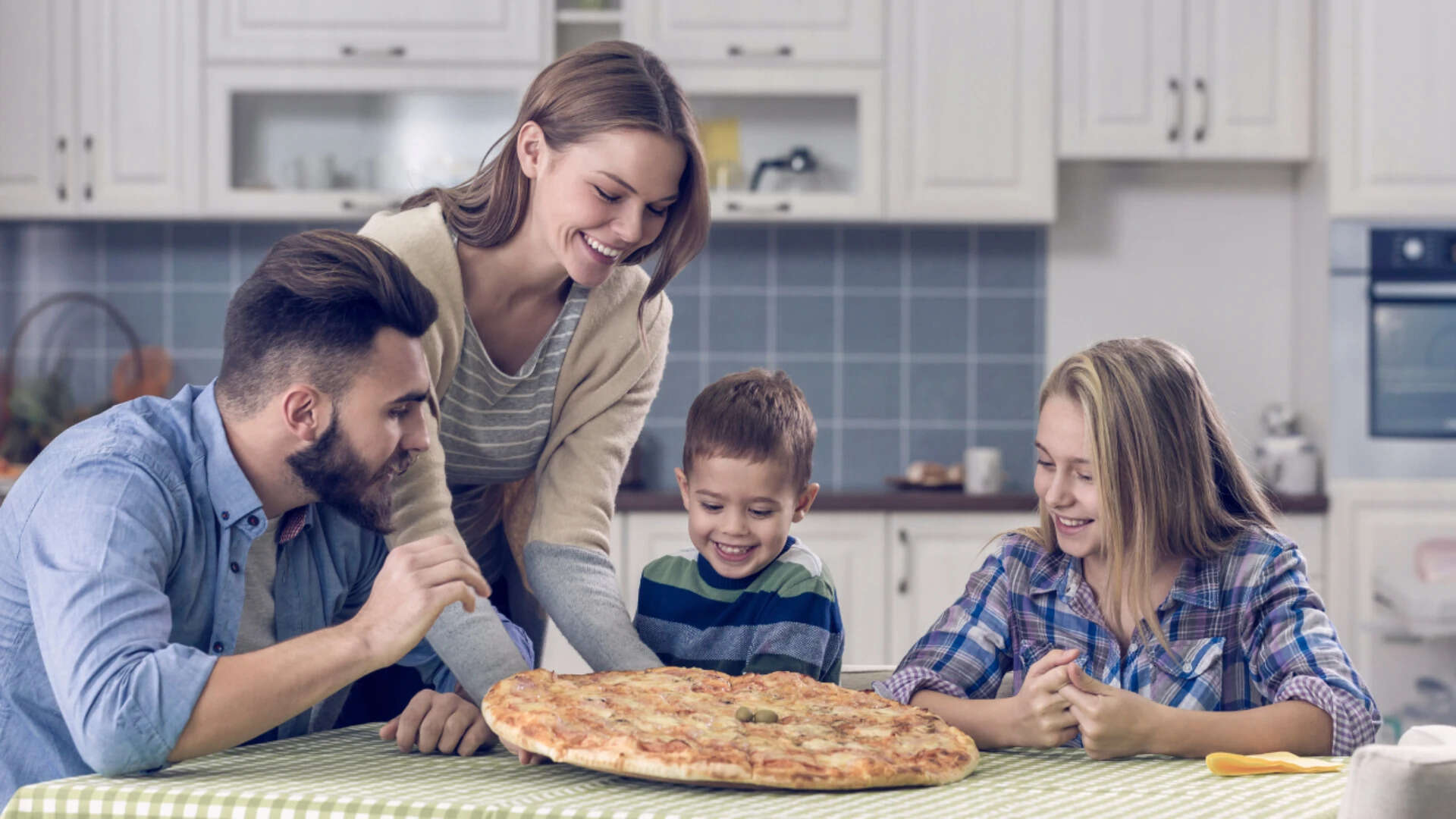
From waiting until everyone is seated to saying “please” while passing bread, table manners are woven into everyday family life rather than delivered as formal lessons. Children learn by watching the adults around them, picking up habits like waiting their turn, listening when someone else is speaking, and showing respect to everyone at the table. Over time, these small rituals become second nature, making good manners feel less like rules to memorise and more like part of everyday family life.
The meal is about connection, not perfection
Perhaps the biggest lesson isn’t pasta, olive oil or homemade sauce. It’s the idea that showing up matters more than serving an elaborate meal. A large umbrella review covering dozens of studies found that children who regularly share family meals tend to have healthier diets, better mental wellbeing, improved academic outcomes and lower risks of obesity and several harmful behaviours. Researchers also noted that the atmosphere of the meal, not simply how often families eat together, plays a crucial role. That’s something child psychologists often emphasise as well. A warm, distraction-free dinner where everyone feels heard is likely to be more valuable than a perfectly cooked meal eaten in silence.
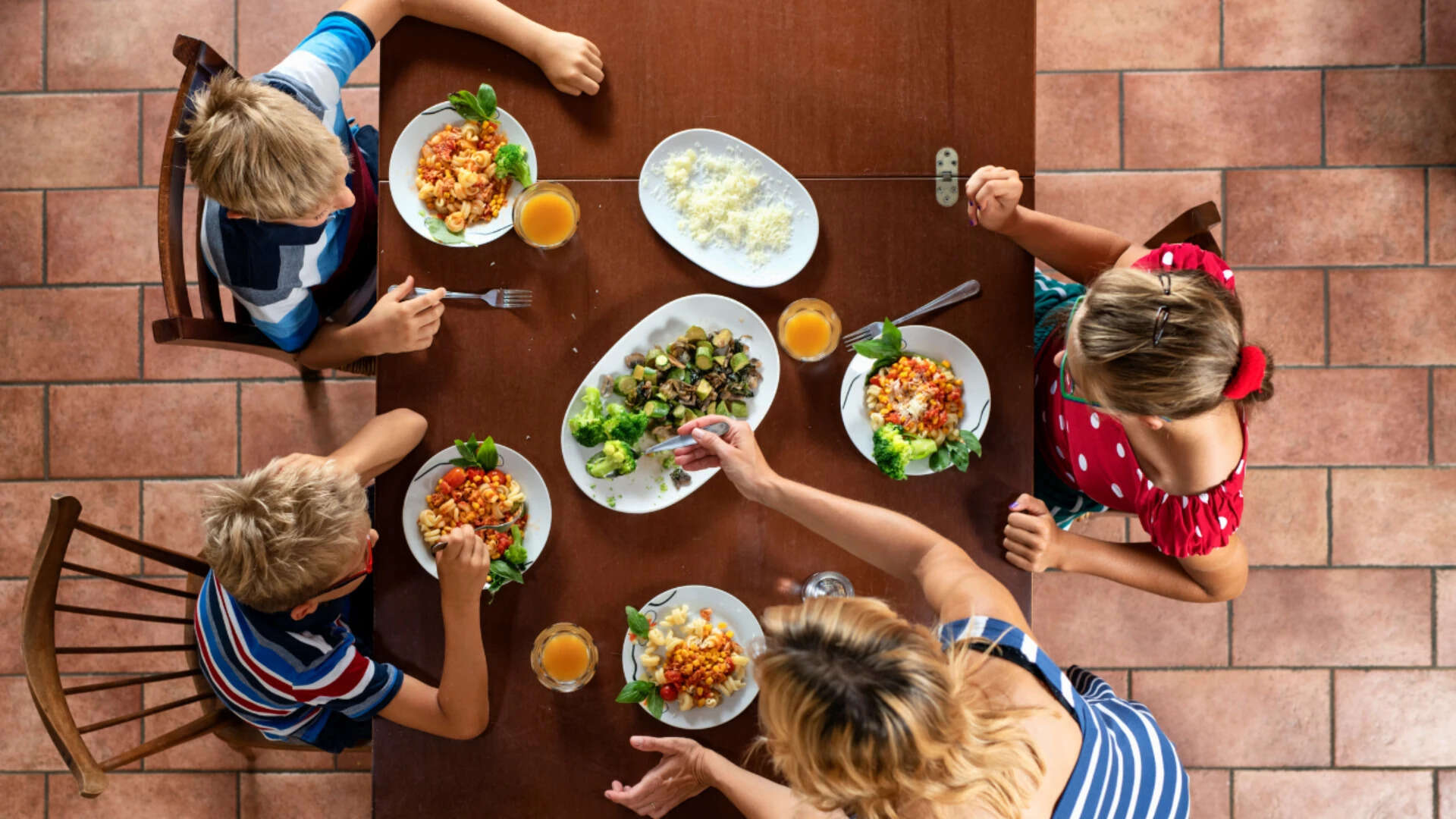
In the end, what makes many Italian family dinners special isn’t a secret recipe. It’s the simple ritual of gathering around one table, putting everyday distractions aside and making every family member, including the youngest, feel that they have a place in the conversation.