









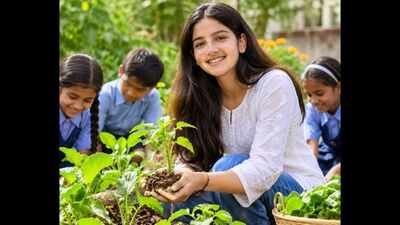
When Covid-19 happened, it taught people a lot of things. It taught Advika Kasliwal how to make productive use of time during the pandemic lockdown. She started ‘Planting Hopes’ which today has grown into an initiative that connects home gardening with nutrition awareness and community welfare. Her initiative has taken a simple idea which is growing food at home beyond individual households and into low-income communities and schools.The initiative’s reported reach includes more than 5,000 people, support for 800 low-income families, 50 workshops and nutrition education programmes across 25 schools.Helping families access fresh foodThe idea behind Planting Hopes started as a solution to a problem that became particularly visible during the Covid-19 lockdown; access to food was not equally easy for everyone. While many people were spending more time at home, families struggling with lost livelihoods and limited resources faced additional challenges in accessing fresh produce.
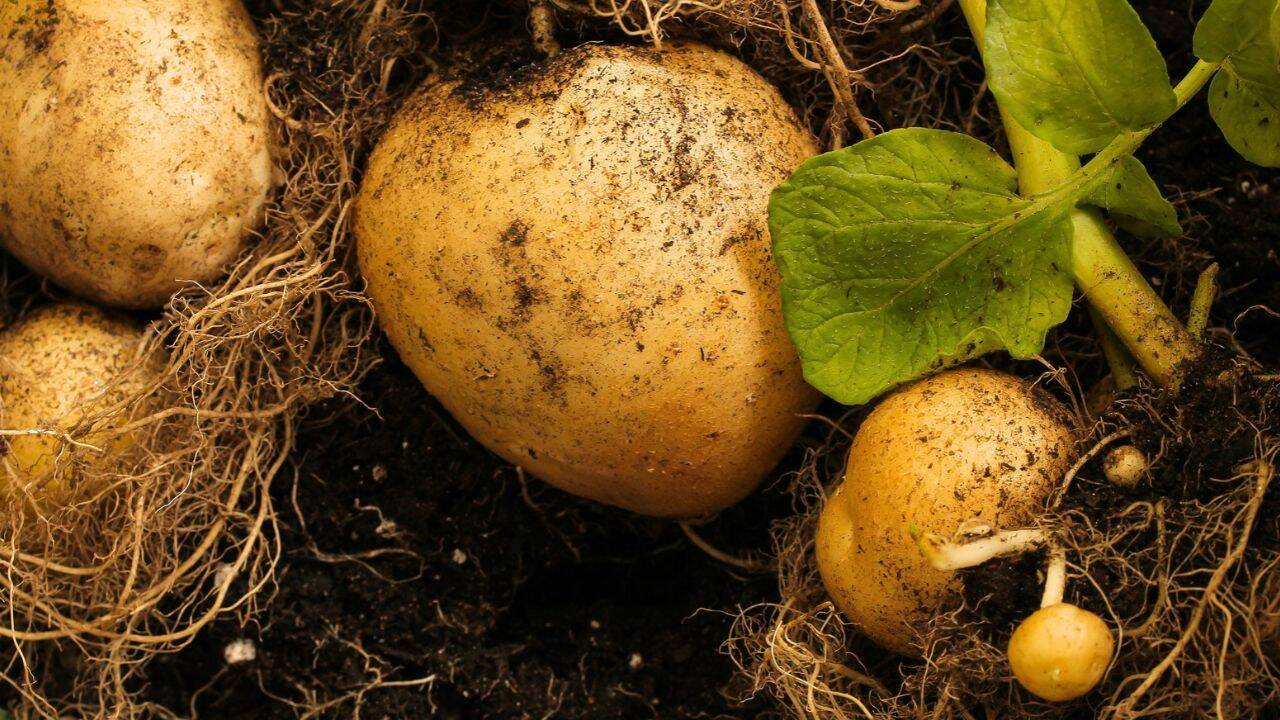
growing food at home (Canva)
She started gardening at home, but gradually started looking at how the vegetables she grew could be put to wider use. She started as a small gardening effort and developed into a community-oriented initiative focused on making nutritious food more accessible.As per Diana Award 2026 Roll of Honour, she founded Planting Hopes to combine sustainable gardening with nutrition education. Today, the initiative supports over 800 low-income families across Rajasthan and has reached over 5,000 people.Teaching people how to grow nutritious food at homeOne of its key approaches is distributing fresh produce while encouraging families to grow nutrient-rich food themselves. Rather than making gardening dependent on large plots of land or expensive infrastructure, the initiative trains women to grow food using recycled materials and limited spaces.50 workshops, 25 government schools and 1,000 grow bagsPlanting Hopes has also expanded its work beyond individual households. Education and practical training form an important part of its approach, with Advika leading more than 50 workshops to spread awareness about gardening and nutrition. The initiative has reached 25 government schools, taking the conversation about food and nutrition to children.The initiative has also distributed 1,000 grow bags as part of its efforts to make gardening more accessible and has built a network of 75 youth volunteers across India. This volunteer network adds another dimension to the project, allowing young people to participate in community work and contribute to spreading awareness about sustainable food practices.Recognition
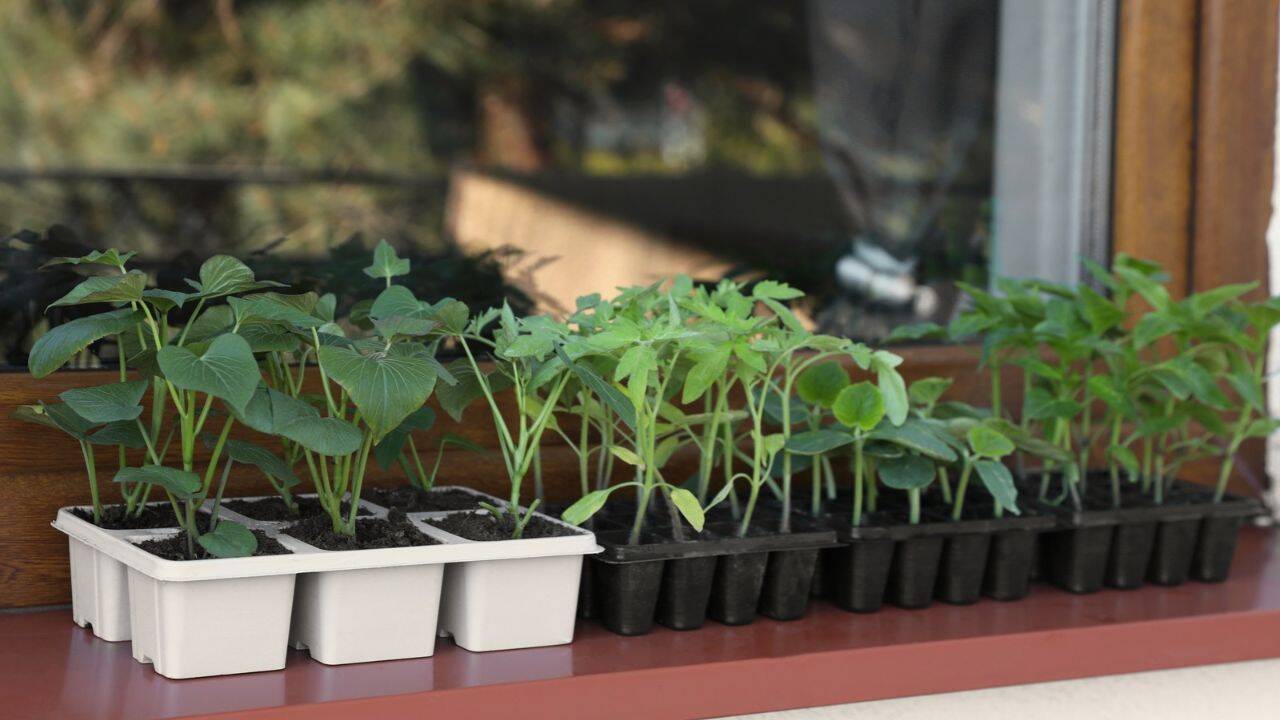
Learning to grow own food (Canva)
Advika’s work has received international recognition. She was named among the recipients of the 2026 Diana Award, which recognises young people for their social action.A small home garden can become an opportunity to learn about food, nutrition and sustainability. When that knowledge is shared with families, schools and communities, its impact can extend well beyond the person growing the vegetables.From a lockdown gardening experiment to reaching thousands of people, Planting Hopes demonstrates how community participation and practical ideas can contribute to conversations around food security and nutrition.