










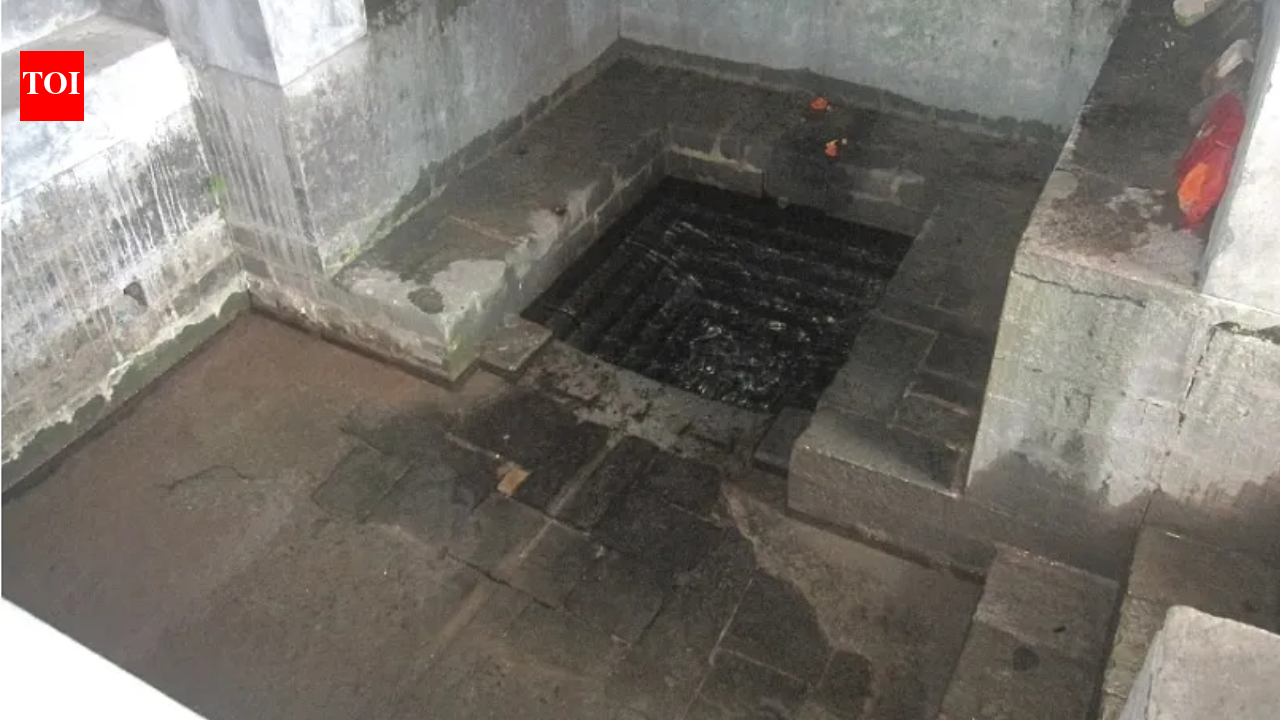
In Thana Kashoga, a village in Himachal Pradesh’s Sirmaur district, traditional water sources that once supplied households throughout the year are disappearing. The village had 35 perennial ‘baoris’ (traditional spring-fed water structures) but only 10 remain today. As rainfall becomes less predictable and dry periods put pressure on local water supplies, women have taken up the work of restoring these sources.So far, five springs have been revived, with restoration work on another five or six under way. The women also clean the water structures every month to keep them functional. The effort is documented in a study by the Council on Energy, Environment and Water (CEEW), supported by the International Centre for Integrated Mountain Development (ICIMOD). Published in October, the report, ‘How Can Himalayan Communities Anticipate Risks and Adapt to a Changing Climate?,’ examines climate adaptation efforts across 12 gram panchayats in four Himachal districts.The women’s groups in Thana Kashoga received training from the People’s Science Institute (PSI) and the Centre for Business and Entrepreneurial Development (CBED) to take up the restoration work.
A village’s 35 traditional water sources fell to 10
For generations, baoris and natural springs supplied water to people in the village. But their availability has declined. The CEEW study records that residents associate the loss with longer dry spells, irregular rainfall and landslides that have damaged water channels.Villagers also believe that changes in farming practices and development around spring catchment areas have affected groundwater recharge. The report notes that chemical farming has been linked by residents to declining soil fertility and greater irrigation demand, adding to water stress.The consequences go beyond drinking water. Less reliable sources affect irrigation and livestock, while women often have to spend more time arranging water for household needs.As per the CEEW report Thana Kashoga is a drought-prone area that also faces landslides and forest fires. It notes that pastoral livelihoods have declined partly because of fodder shortages and forest fires.
Women have taken responsibility for cleaning and maintaining the baoris
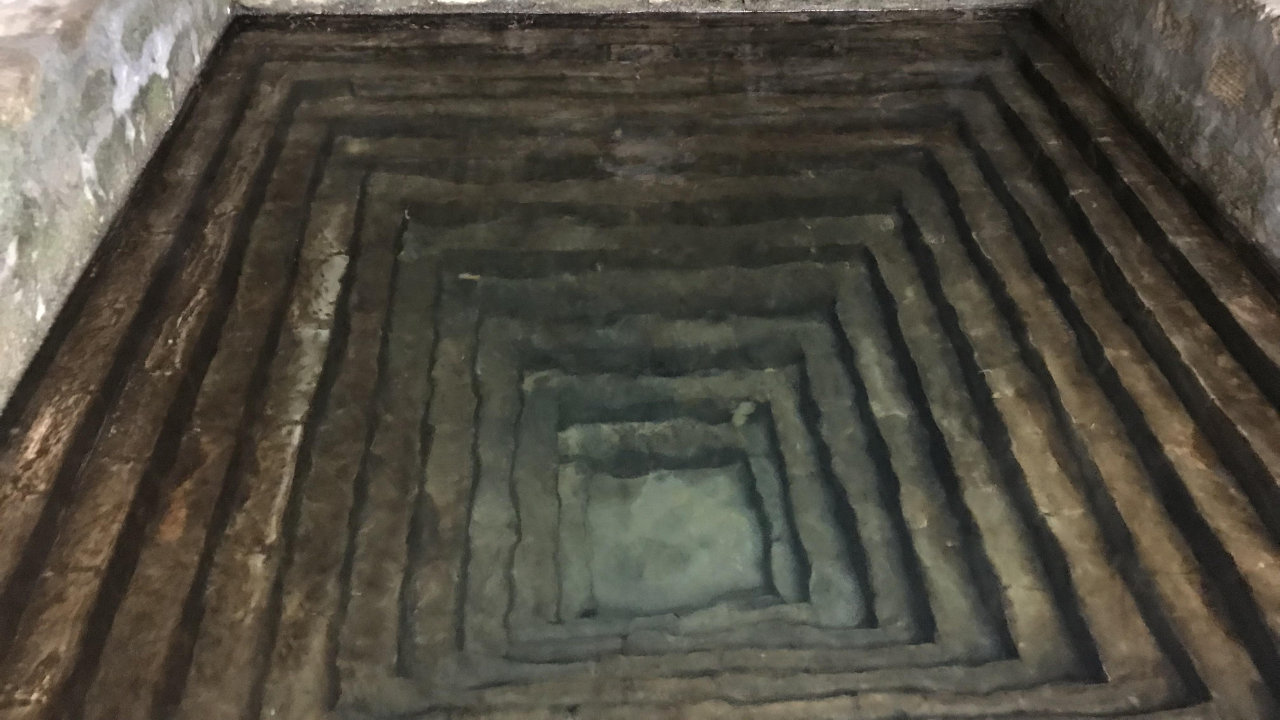
The restoration work combines local hydrogeological studies and groundwater-quality monitoring with measures such as trenches, check dams, drains and plantation in catchment areas.
The restoration effort involves more than repairing a water structure. It focuses on the land around the source, where rainwater needs to seep into the ground and replenish the underground water system. The initiative began in 2011. The restoration work combines local hydrogeological studies and groundwater-quality monitoring with measures such as trenches, check dams, drains and plantation in catchment areas. These structures help slow rainwater runoff and allow more water to seep into the ground.Women from the village’s ‘Mahila Mandals’ have an important role in maintaining the sources. They clean the baoris every month, removing weeds and debris and keeping the surroundings in order. Before the monsoon, villagers also clear grass and weeds from trenches in the catchment areas so that rainwater can percolate into the soil.A woman from Thana Kashoga told the CEEW researchers: “Caring for the baoris has been a part of our daily lives for ages, which was discontinued in the last few generations.” The report says the restored water supply has also helped farmers resume cultivation and experiment with crops such as garlic and tomatoes. However, it cautions that greater water availability can also increase demand, making careful use and continued maintenance important.
The water crisis is part of a wider climate challenge
Thana Kashoga’s experience is among several examples of communities adapting to changing weather conditions across Himachal Pradesh. The CEEW study covered 12 gram panchayats in Mandi, Kullu, Shimla and Sirmaur districts. Researchers documented 25 community-level adaptation solutions across agriculture, water management, disaster preparedness, infrastructure and development planning.In Bajaura, Kullu, farmers have shifted from apples to pomegranates and then persimmons as rising temperatures, erratic rainfall and plant diseases affected cultivation. In Sandhu, Shimla, natural farming has spread to more than 20 families. In Parara, Sirmaur, farmers are combining garlic cultivation with specialised apple varieties.The study also notes that traditional water sources are under pressure in other villages. In Sandhu, declining snowfall and reduced water flow in baoris have affected availability. In Kothi Gaihari in Mandi, a landslide in 2023 left the village without water for about three weeks.For Thana Kashoga, bringing back five springs is only part of the task. Another five or six are still being worked on, and the remaining traditional sources need attention. The monthly cleaning and maintenance carried out by women are intended to ensure that the restored baoris continue to supply water beyond the restoration work itself.