










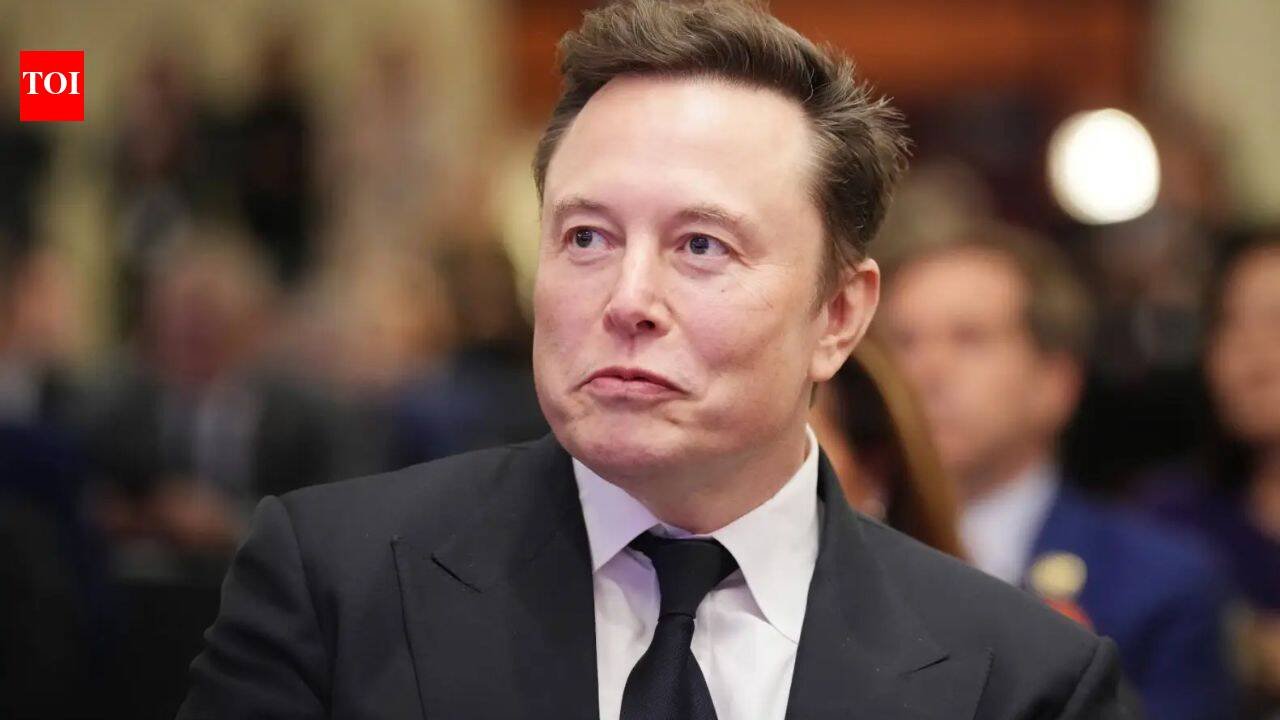
Elon Musk has often spoken about big, ambitious ideas, and one thought he keeps returning to is simple but powerful: life cannot only be about fixing one problem after another. According to Musk, the world is full of difficult and painful things happening all the time, issues that genuinely need attention and solutions. But he believes that if all we ever do is move from one crisis to the next, something important gets lost along the way. He has said that people need something bigger to look forward to, something that makes waking up each morning feel exciting rather than just another day of dealing with problems. For Musk, that missing piece is a larger sense of purpose, a reason to feel genuinely glad to be part of humanity.
The idea of becoming a multi-planetary species
This is where Musk’s long-standing dream of making humanity a multi-planetary species comes in. It’s a goal he has spoken about for years, most visibly through his work with SpaceX. But the reasoning behind it goes beyond rockets and technology. For Musk, this isn’t just about survival or backup plans in case something goes wrong on Earth. It’s about giving people something ambitious to aim for, a shared vision big enough to unite people rather than divide them. He believes that when a goal is ambitious enough, it naturally pushes technology and innovation forward. People end up building things they wouldn’t have attempted otherwise, simply because the goal demanded it. In that sense, striving for something as big as reaching other planets doesn’t just benefit space travel; it can end up improving everyday life on Earth too, through the new technologies and problem-solving that come along the way.
The rocket scientist who inspired this idea
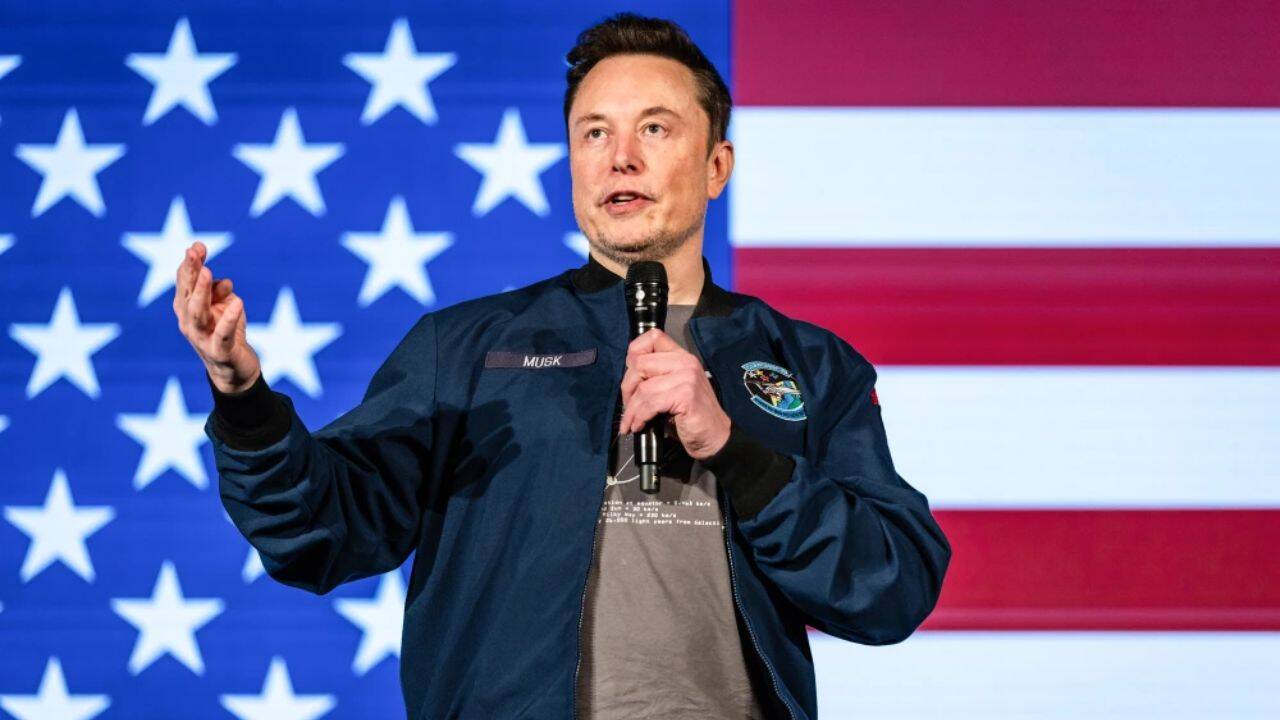
Musk often credits a big part of this philosophy to Konstantin Tsiolkovsky, an early Russian rocket scientist whose ideas laid some of the groundwork for modern space travel. Tsiolkovsky is remembered for the idea that Earth is where humanity began, but it was never meant to be a place we stay confined to forever. Musk has referenced this thinking often, using it to explain why he sees space exploration as a natural next chapter for human civilisation rather than an unnecessary luxury. Musk describes this next step in ambitious terms, imagining humanity becoming a spacefaring civilisation and expanding beyond a single planet. To him, this isn’t a far-off fantasy disconnected from real life. It’s a vision that he says genuinely excites him, one that makes him feel hopeful about the future, not despite the world’s problems, but alongside them.
Why ambitious goals matter, according to Musk
There’s a deeper point buried in Musk’s thinking here. Problems will always exist. Crises, setbacks, and difficult news are simply part of life, and no amount of ambition will make them disappear entirely. But Musk’s argument is that constantly reacting to problems, without something bigger to work towards, can leave people feeling worn out and directionless. Ambitious goals, on the other hand, do something different. They give people a reason to look ahead instead of only looking at what’s going wrong. They bring communities and even entire nations together around a shared purpose. And they remind people that progress is still possible, that the future doesn’t have to look the same as the present.
A bigger takeaway beyond space travel
While Musk’s example is about space and multi-planetary life, the idea itself applies more broadly. Whether it’s in a workplace, a community, or someone’s personal life, having something meaningful to strive for can make a real difference to how motivated and hopeful people feel day to day. Constantly firefighting problems without any larger goal in sight can feel draining over time, but working toward something bigger, even if it takes years to achieve, gives people a sense of direction and excitement.
Final thoughts
At its core, Musk’s message isn’t just about rockets or reaching Mars. It’s a reminder that human beings are wired to need more than survival and damage control. We need dreams big enough to be exciting, ambitious enough to bring people together, and meaningful enough to make getting out of bed each morning feel worthwhile. For Musk, that dream happens to be the stars. For others, it might be something entirely different, but the underlying idea remains the same: progress needs purpose, not just problem-solving.