










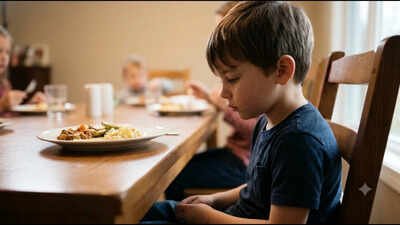
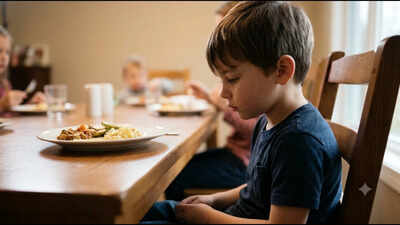
A child who once talked endlessly at dinner suddenly gives one-word answers. Weekend outings no longer excite them, favourite games are left untouched, and they prefer spending time alone. Parents may dismiss these changes as growing up, tiredness or a passing mood. Sometimes, that is true. But when a child’s behaviour changes noticeably, it deserves attention.Children do not always have the words to explain emotional distress. Instead, their feelings may appear through silence, irritability or a sudden loss of interest. According to Dr Mahakdeep Kaur, Child Psychologist at Lavender Lane – Children’s Superspeciality Centre, behaviour is often how children communicate what they cannot express verbally.
5 Oct 2026 | 12:06
Parents, when your child refuses to greet relatives, do you make them say hello or respect their choice?
When silence is mistaken for independence
A child who stops asking for attention may appear unusually mature or independent. But becoming less demanding does not always mean becoming emotionally secure.Dr Kaur explained, “Somewhere along the way, they learned that asking didn’t get them anywhere. That’s not independence. That’s a child quietly giving up on being noticed.”Parents should notice when a child who once enjoyed sharing experiences suddenly stops reaching out. Emotional independence should not come at the cost of feeling unheard or unsupported.
What could be causing the behavioural change?
Children can experience emotional pressures that adults sometimes overlook. Friendship problems, academic expectations, feeling excluded at school or being bullied can affect their confidence.Changes at home also matter. Moving houses, changing schools, a sibling’s illness or tension between parents can leave children feeling unsettled.Sometimes, withdrawal may also be associated with anxiety or persistent sadness. However, silence alone cannot establish a mental health condition. Understanding what has changed in the child’s environment is an important first step.
Look beyond silence for other warning signs
Withdrawal does not always appear on its own. Parents should observe changes in the child’s everyday routine and interests.
Some signs worth noticing include:
- Sleep changes: Difficulty sleeping, sleeping excessively or frequent tiredness.
- Appetite changes: Eating noticeably less or losing interest in meals.
- Loss of interest: Avoiding favourite games, hobbies or meeting friends.
- Increased irritability: Becoming unusually frustrated or reacting strongly to small situations.
- Difficulty concentrating: Struggling to focus on schoolwork or everyday activities.
These signs do not automatically indicate a psychological problem. However, several changes appearing together deserve attention.
When should parents stop waiting for it to pass?
Duration and context matter. A few quiet days after a difficult experience may be normal. However, weeks of withdrawal, particularly alongside changes in sleep, appetite and social behaviour, should not be dismissed.Dr Kaur advised parents to look at the whole picture rather than judging a child’s mood in isolation.If the changes affect school, friendships or everyday activities, consulting a child psychologist or paediatrician can help. Any mention of self-harm or not wanting to live requires immediate professional attention.
How to help a child open up without pressuring them
Repeatedly asking “What’s wrong with you?” may make a child feel criticised. Instead, parents can gently say, “I’ve noticed you’ve been quieter lately. I’m here whenever you want to talk.”Dr Kaur emphasised that children often need time before they feel comfortable sharing their feelings.Simple activities, relaxed conversations and spending time together without constantly asking questions can help rebuild connection. Parents should listen without immediately correcting, judging or offering solutions.Children need to know that their feelings matter, even when they struggle to explain them. A withdrawn child may not always need advice. Sometimes, they need reassurance that someone has noticed their silence and is willing to listen.Disclaimer: This article is intended for general parenting awareness and does not replace professional psychological advice. Persistent behavioural changes should be discussed with a qualified child psychologist or paediatrician.