










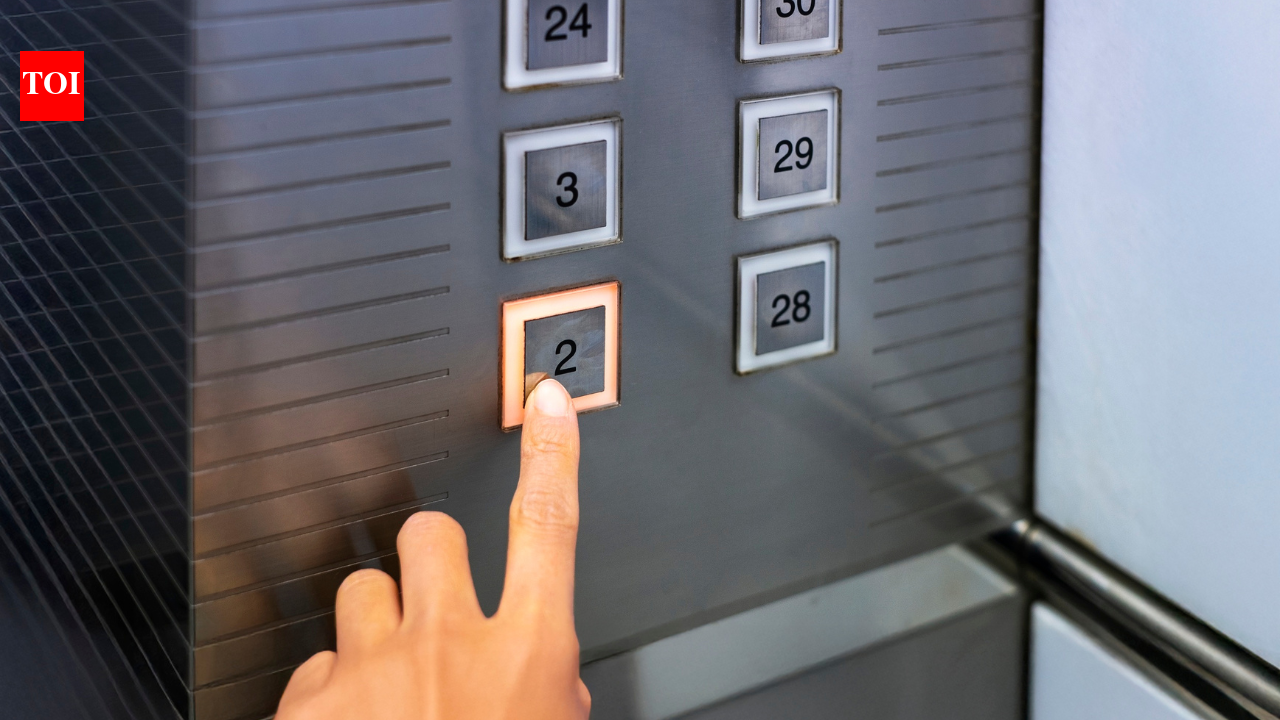
You are waiting for a lift. You press the button once, and it lights up. You know the request has registered, but a few seconds later, you press it again. And then once more, just to be sure. The button is already glowing. Pressing it again is unlikely to make the lift arrive any faster, yet you find yourself doing it almost automatically. Sometimes, you may even continue pressing it while watching the lift display, as though another tap might somehow speed things up.It is a small, everyday habit that many people recognise. The interesting part is that you often know the second or third press is unnecessary, but still feel the urge to repeat the action. Psychology offers some possible explanations for this behaviour, particularly through research on repetitive actions, habit formation and the feeling of control.
Why does the hand keep moving even when the button has already lit up?
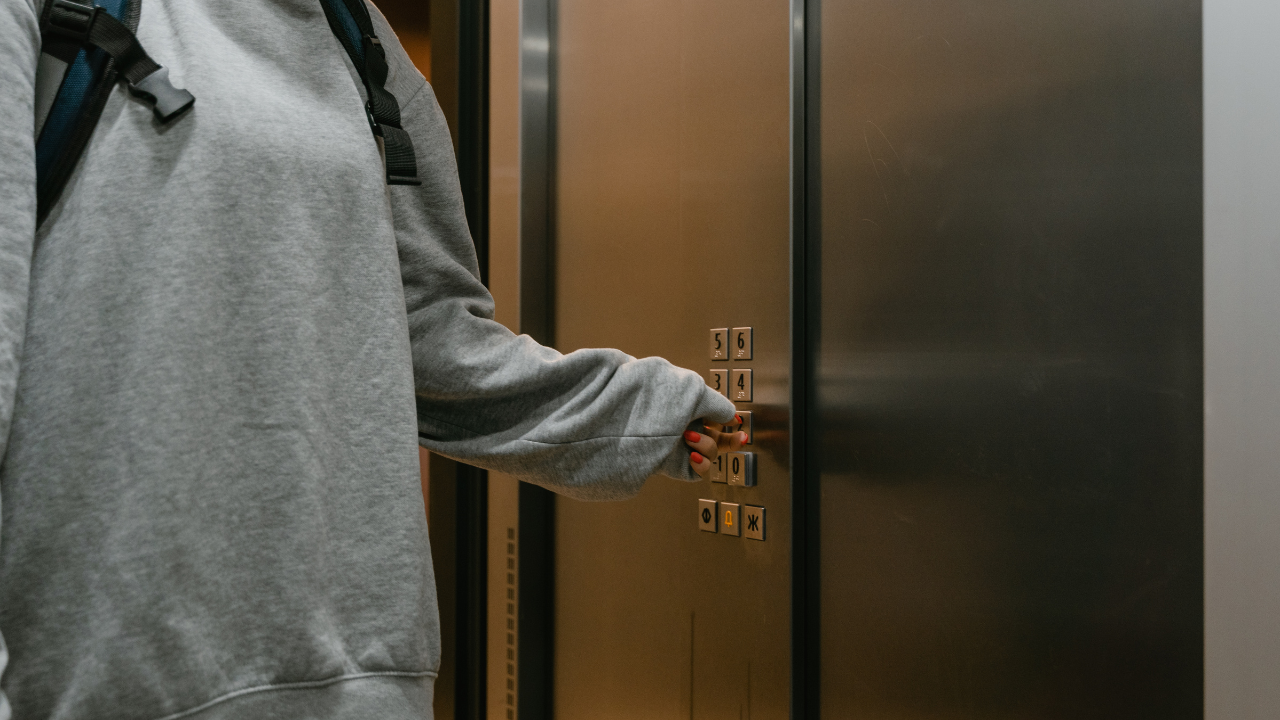
Photo: Canva
One explanation is that certain actions become habitual. When people repeatedly perform the same action in a familiar situation, they may eventually start doing it with very little conscious thought. For example, pressing a lift button becomes part of the routine of waiting for a lift. The situation triggers the action almost automatically. If someone is impatient or distracted, they may repeat the familiar movement without stopping to consider whether it is necessary.Another possibility is the desire to feel that something is being done while waiting. A lift is controlled by a system that you cannot influence once your request has been registered. Pressing the button again creates a brief sense of action, even though it may not change the outcome.This can be understood through research on superstitious behaviour, in which people sometimes repeat actions because they mistakenly associate those actions with an outcome.In a study published in the Journal of the Experimental Analysis of Behavior, psychologists examined repetitive button-pressing behaviour in human participants. The researchers gave participants a panel with two buttons. Pressing one button produced rewards according to a variable schedule, while pressing the other did not produce rewards. Despite this, participants sometimes continued pressing the second button because those presses were occasionally followed by a rewarded press on the first button.The researchers found that separating the two actions in time reduced or eliminated this repeated behaviour. The experiment demonstrated how people can continue performing an action even when it does not directly produce the result they expect. The study did not involve lift buttons, but it offers an interesting explanation for why people sometimes repeat actions that appear to have little practical purpose.
When repeating an action becomes a way of seeking certainty
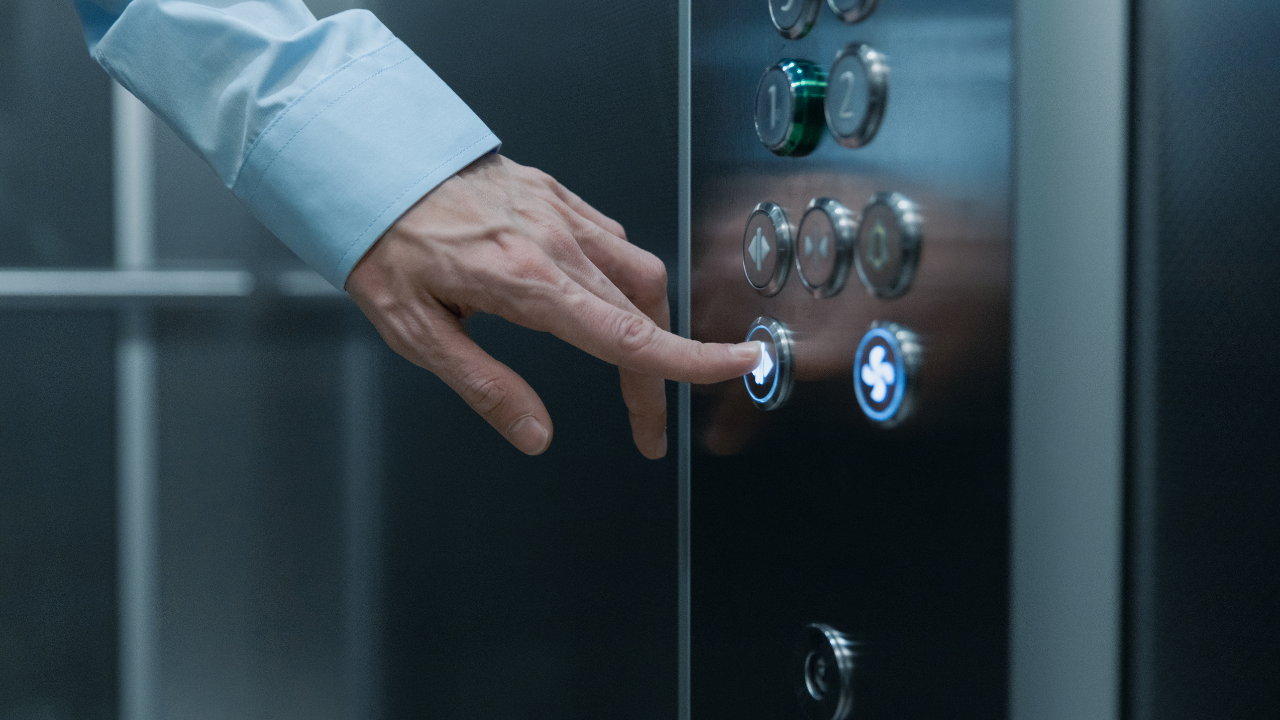
Photo: Canva
There is another possible explanation: the feeling that an action has not been completed properly. Some people repeat an action because they want to feel certain that it has worked. They may press a button again, check a switch twice or pull a door handle even after locking it.Research on repetitive checking has examined why people sometimes struggle to stop actions even after completing them. A 2015 study examined how repeated checking can become increasingly automatic.Researchers investigated the relationship between repetition and checking behaviour. Their findings suggested that repeatedly performing checks can make the behaviour more automatic. Repetition can also reduce people’s confidence in their memory of having completed an action.This is relevant to understanding why repeating an action does not always provide lasting reassurance. Sometimes, doing something again can make a person less certain that the earlier action was completed correctly.However, this research concerned checking behaviour in the context of obsessive-compulsive disorder. It does not mean that someone who repeatedly presses a lift button has OCD.
What this small habit may say about everyday behaviour
Repeatedly pressing a lift button does not necessarily reveal a person’s personality. Someone may do it out of impatience, habit, distraction or simply because they have learned to associate pressing the button with making the lift arrive. For most people, pressing the button again is simply an automatic response to waiting. It is not a psychological diagnosis or evidence of a deeper problem.But the next time you find yourself pressing an already illuminated lift button, notice what happens. You know the request has been registered, and you know another press probably will not help. Yet your hand moves towards the button anyway. Sometimes, the urge to repeat an action has more to do with our own behaviour than with the result we are waiting for.