










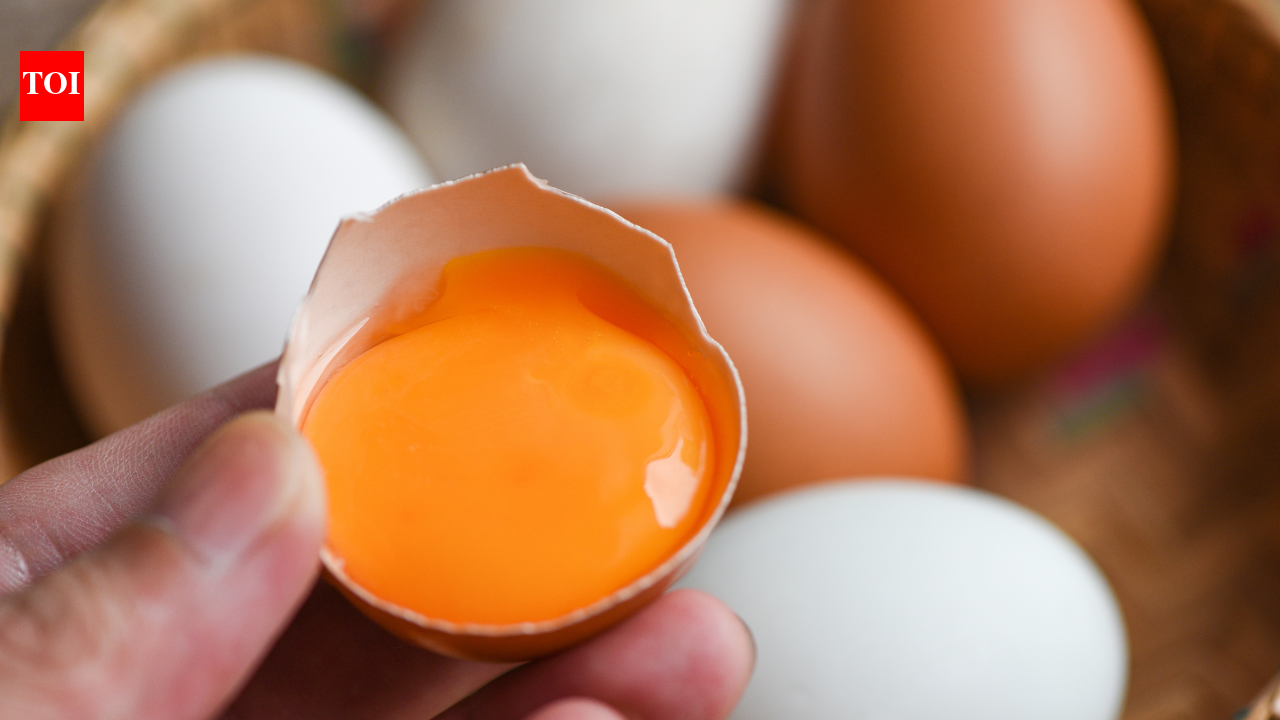
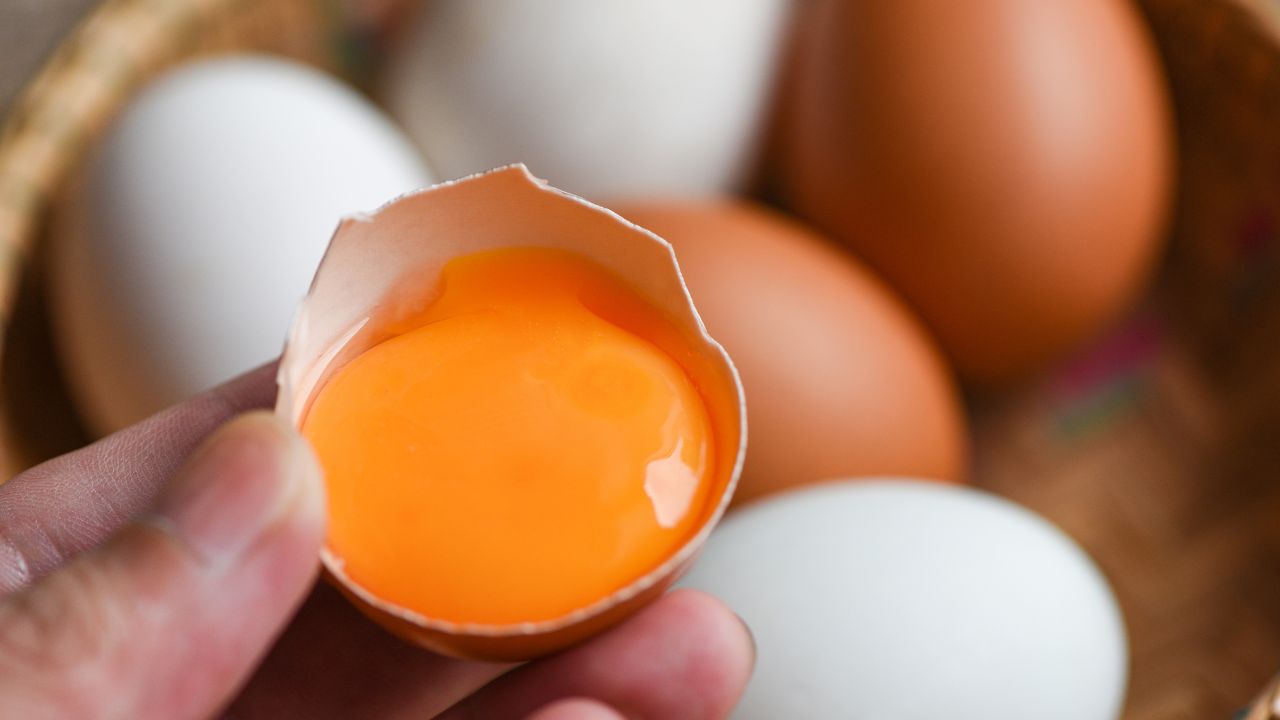
This is where expectations and science begin to part ways. A deep orange yolk can contain higher amounts of antioxidants like lutein and zeaxanthin, nutrients known to support eye health. According to a review published by K. Zaheer in Journal of Food, hen eggs are a valuable dietary source of the carotenoids lutein and zeaxanthin, and their levels in egg yolks are strongly influenced by the hens’ feed composition. These carotenoids are highly bioavailable due to the egg yolk’s lipid-rich matrix, which enhances their absorption in the human body. Once absorbed, lutein and zeaxanthin accumulate in the retina, where they help protect against blue light damage and oxidative stress, supporting eye health. The review also highlights evidence linking these carotenoids to a reduced risk of age-related macular degeneration and suggests potential benefits for cardiovascular health, cognitive function, and protection against oxidative stress, although further research is needed to confirm some of these broader health effects.
But beyond those pigments, the nutritional gap between a pale yolk and a dark one is surprisingly small. Protein, healthy fats, vitamins, minerals and calories remain broadly similar. So while a darker yolk may offer a little more of certain antioxidants, it doesn’t automatically make the egg dramatically healthier.