










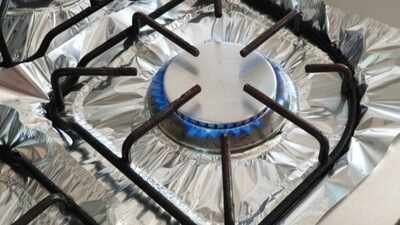
Scroll through kitchen hack videos online right now, and you’ll almost certainly come across someone lining their stovetop with aluminium foil, promising a mess-free burner and a quick wipe-clean routine instead of scrubbing baked-on grease for twenty minutes. It’s an easy, oddly satisfying hack to watch, and it’s genuinely taken off across social media and home-cooking forums over the past couple of years. But before you reach for the foil roll yourself, it’s worth understanding exactly what this trend does well, and where it can quietly turn into a real safety hazard in a gas kitchen. Here’s a closer look at why the hack is so popular, and what home cooks actually need to know before trying it.
Why the hack became so popular in the first place
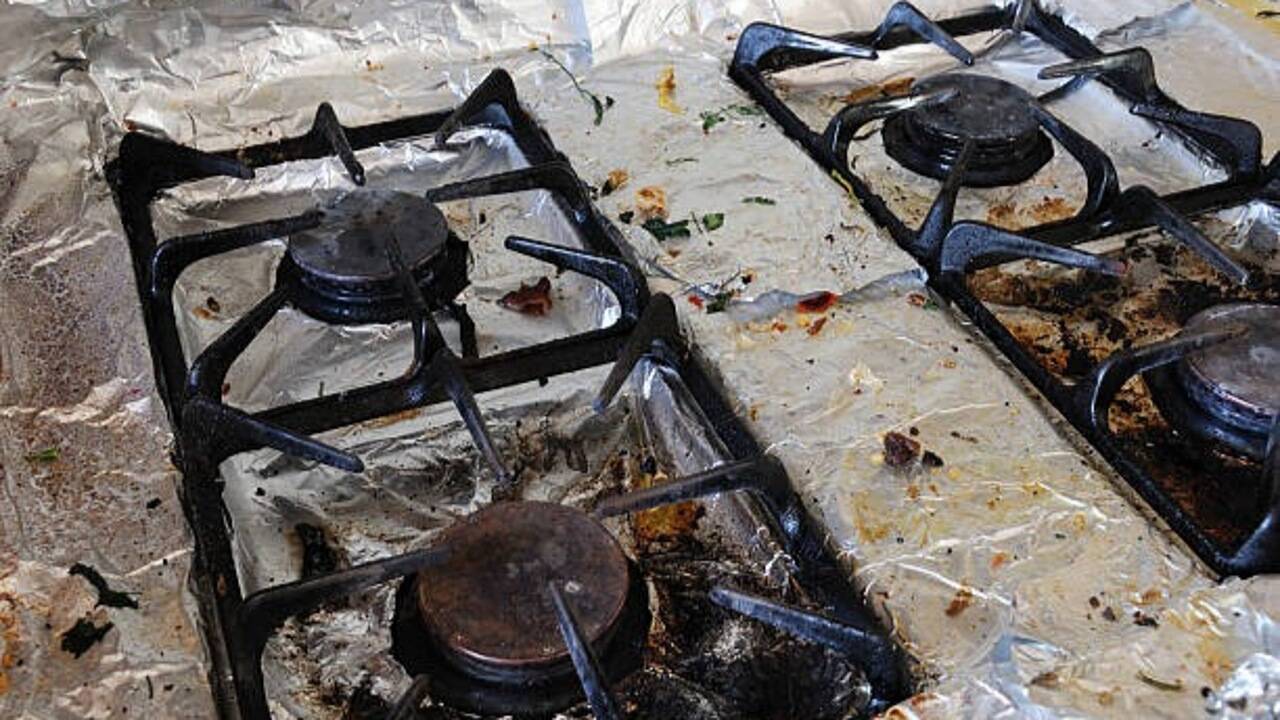
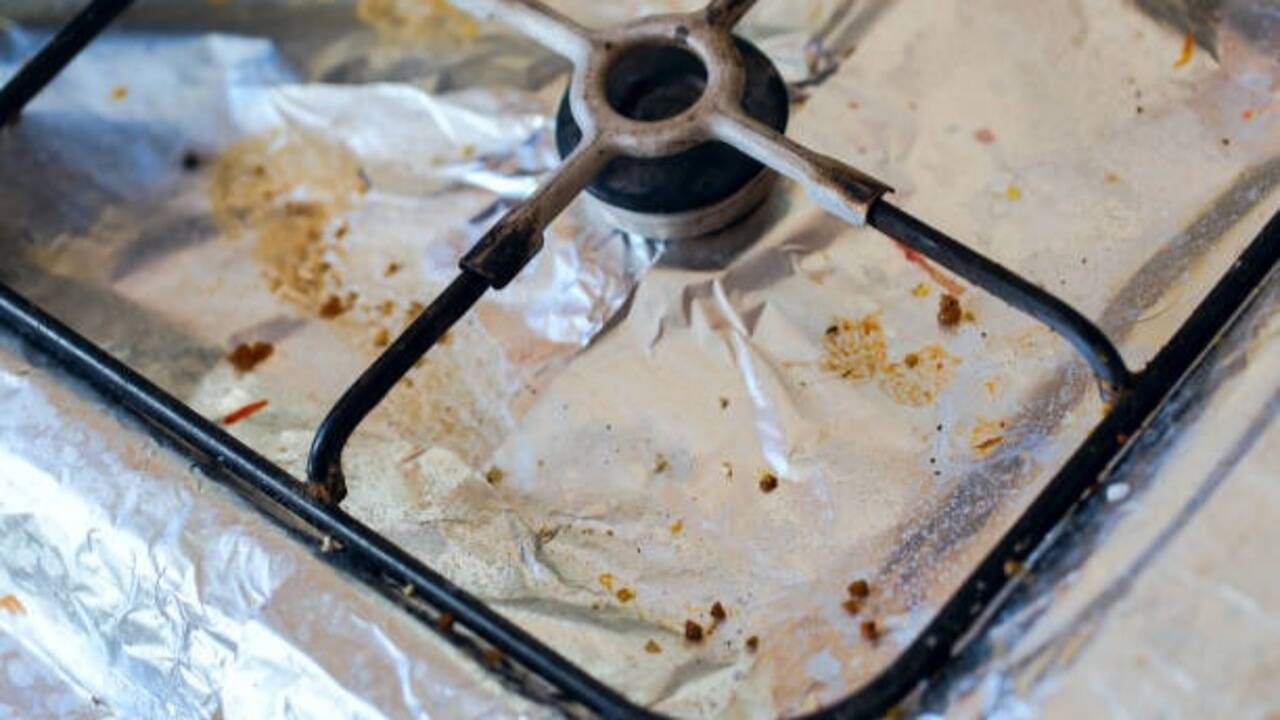
The appeal is simple: gas stovetops collect grease, food splatters, and burnt-on residue faster than almost any other kitchen surface, and scrubbing that off regularly is nobody’s favourite chore. Lining an unused burner, or the surrounding stovetop area, with a sheet of foil means spills land on something disposable instead of directly on the metal surface. Once the foil gets messy, you simply peel it off and replace it, skipping the scrubbing altogether. For anyone juggling a busy kitchen, that convenience alone explains why the trend has spread so widely online.
The genuinely useful version of this hack
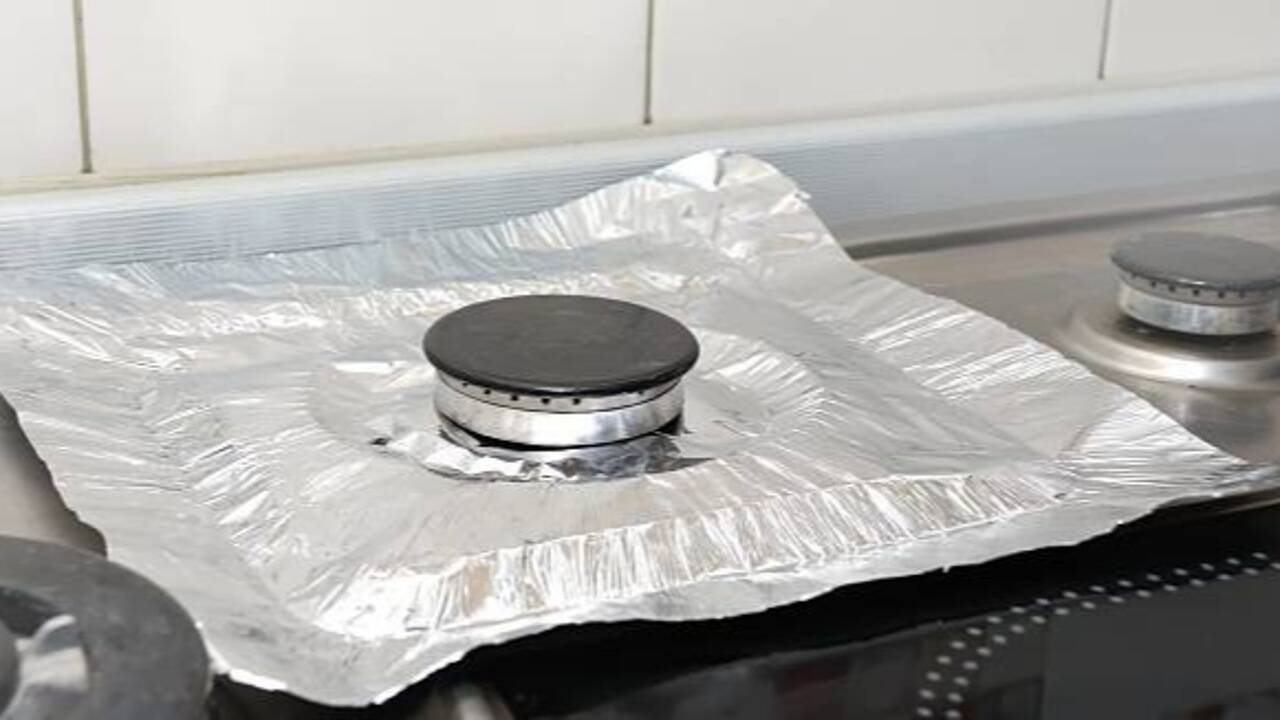
Used correctly, the trick does have a legitimate place in the kitchen. Covering a burner that isn’t actively in use, say, while you’re only cooking on two of your stove’s four burners, with foil catches grease splatter from nearby cooking without putting the foil anywhere near an actual flame. Foil is also commonly and safely used inside a gas oven for baking or roasting, since that’s a different environment entirely from an open stovetop burner. The key distinction experts stress is that foil should never come near an active flame or sit directly on or around a burner that’s in use.
Why foil directly on a lit burner is genuinely risky
This is where the hack goes from convenient to dangerous. Direct contact between foil and an open flame can cause the foil to tear, melt, or even ignite outright, since it simply isn’t built to withstand that kind of sustained, direct heat. If foil ends up covering burner holes or the grate itself while the burner is lit, it can also disrupt how the flame burns, leading to incomplete combustion and a genuine risk of carbon monoxide building up in the kitchen, something you’d have no way of noticing without a proper detector.
The airflow and ventilation problem
Gas burners are engineered with very specific airflow in mind, letting gas mix with air correctly so it burns cleanly and efficiently. Foil that blocks or partially covers burner vents, slots, or air holes interferes with that process, which can cause overheating, uneven flames, or the kind of incomplete combustion that produces excess carbon monoxide. This is precisely why appliance manufacturers and kitchen safety guides consistently advise against lining any part of an active gas cooktop with foil, no matter how neatly it’s tucked around the edges.
If foil tears, the risk goes up further
A sheet of foil that’s been sitting on or near a stovetop for a while doesn’t stay perfectly intact forever, and that’s part of the danger. Tears, thinning, or small holes that develop with repeated heat exposure can let gas escape unpredictably around the burner area, or create gaps where flame can catch the foil directly. Kitchen safety guides recommend inspecting and replacing foil regularly if you do use it anywhere near your stove, rather than letting a single sheet sit there for weeks on end.
Safer alternatives worth considering
If the appeal is mainly about easier cleanup, purpose-made gas burner liners, reusable silicone stove protectors, or simply wiping down the stovetop while it’s still slightly warm after cooking are all safer routes to the same result. These are specifically designed to handle heat exposure the way household foil isn’t, and they don’t carry the same risk of blocking airflow or tearing near an open flame. For genuinely stubborn, baked-on grime, a simple baking soda and water paste left to sit for half an hour, followed by a gentle scrub, remains one of the safest and most effective methods for gas stovetops.
Disclaimer:
This article is intended for general informational purposes only and is not a substitute for manufacturer guidance or professional appliance advice. Never place aluminium foil directly on or around a lit gas burner, over burner vents, or anywhere it could obstruct airflow, as this can pose serious fire and carbon monoxide poisoning risks. Always ensure your kitchen is well ventilated and consider installing a carbon monoxide detector if you use a gas stove regularly.